Saturday, September 03, 2011

Fethiye - Kale Blue Cruise (Turkey)

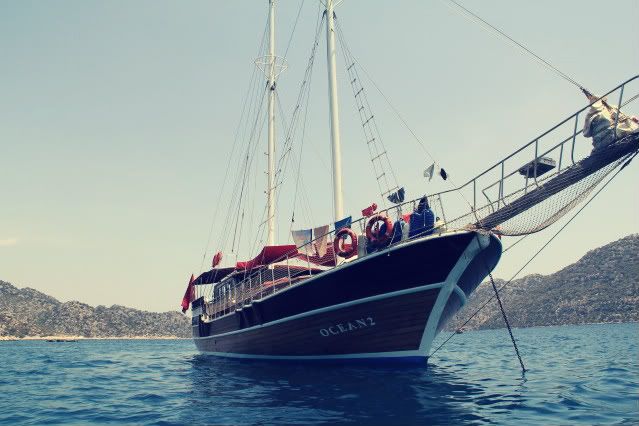
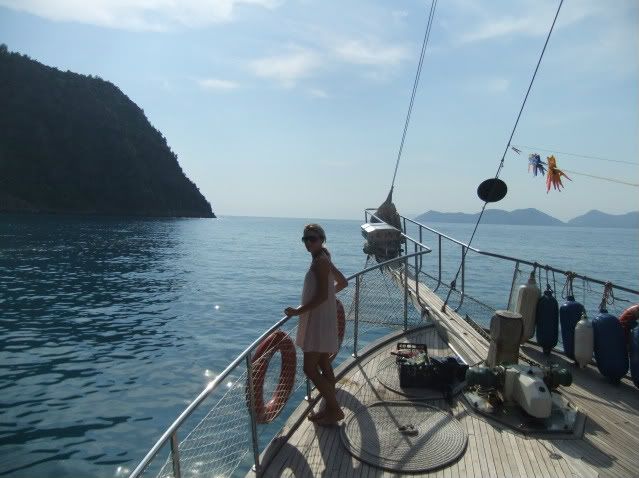
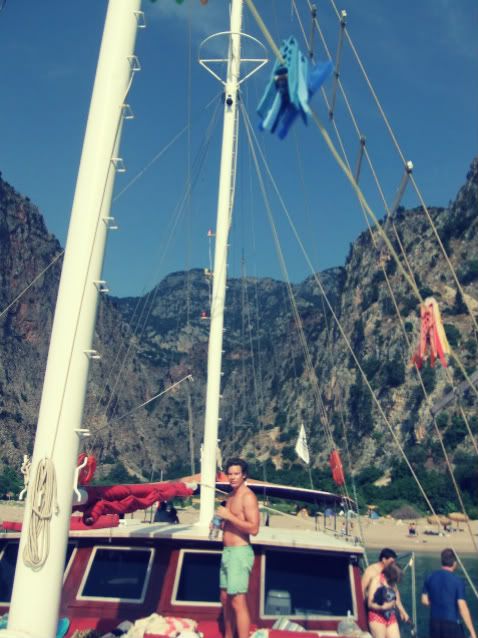
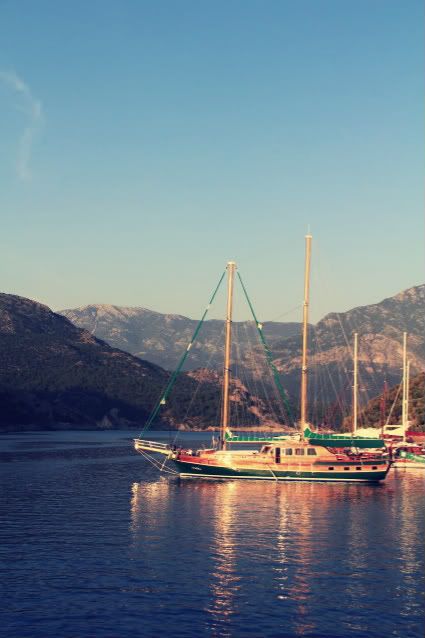
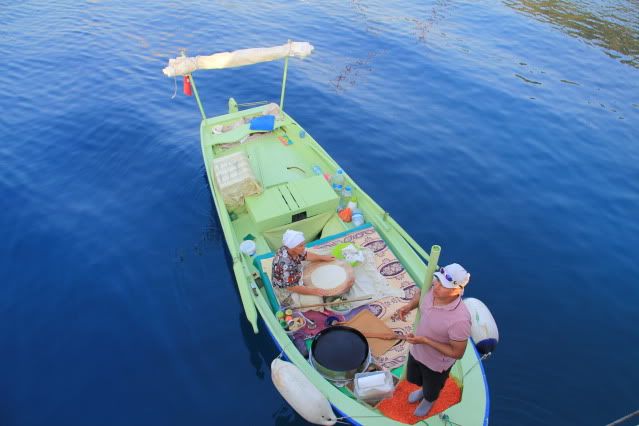
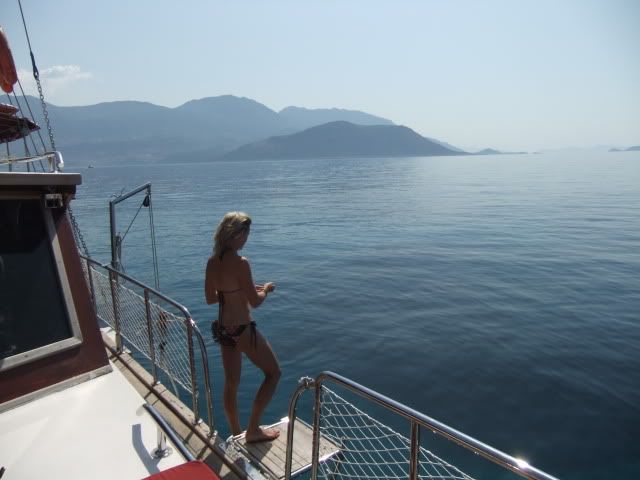
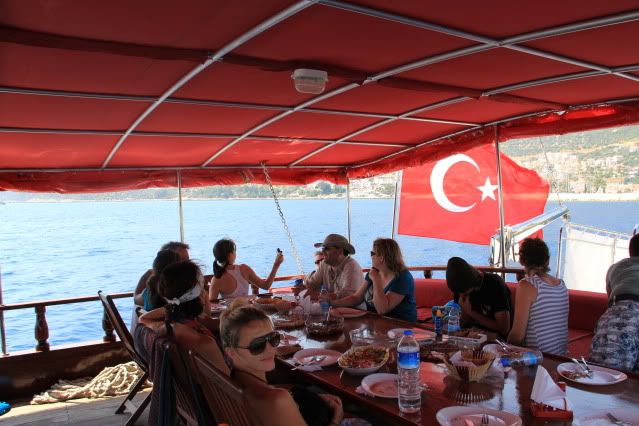
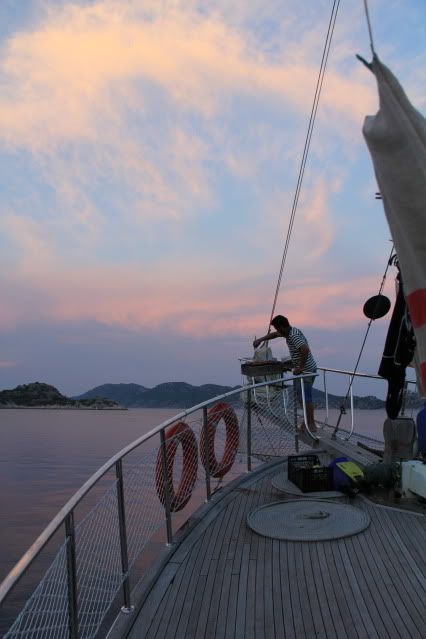
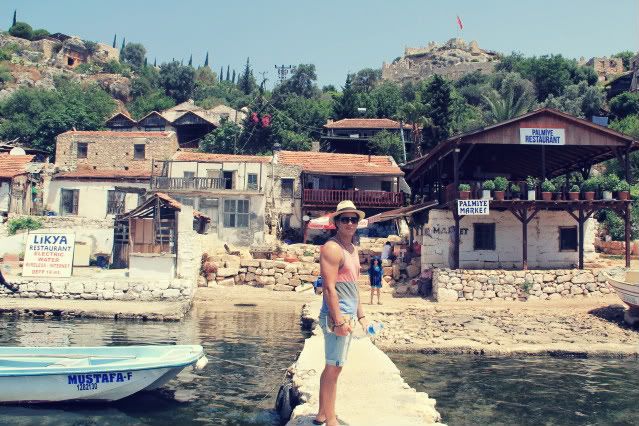
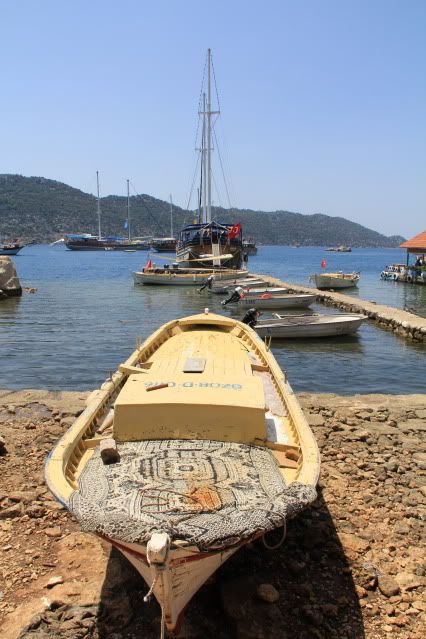
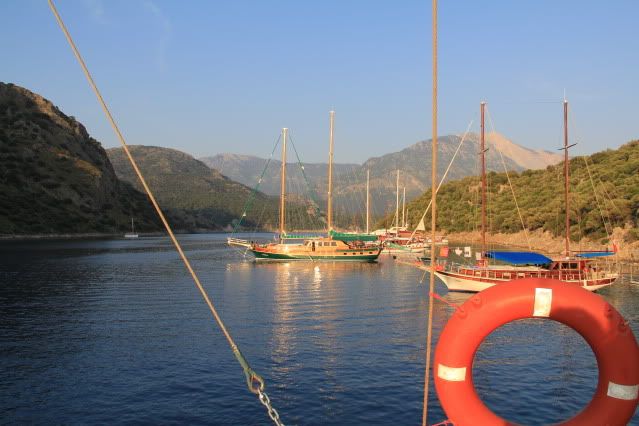
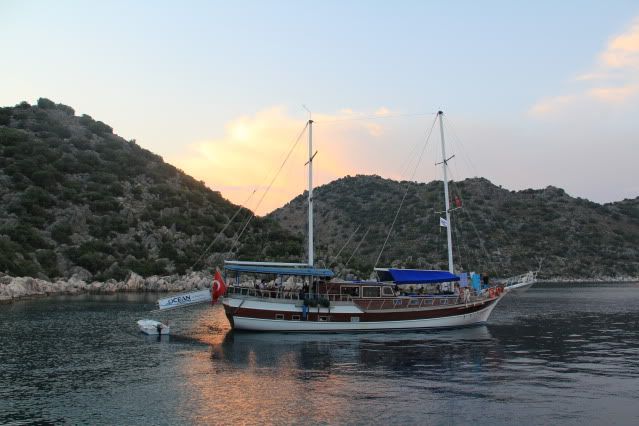
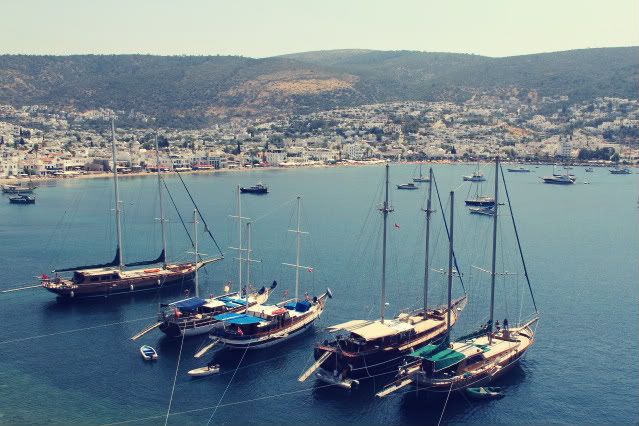
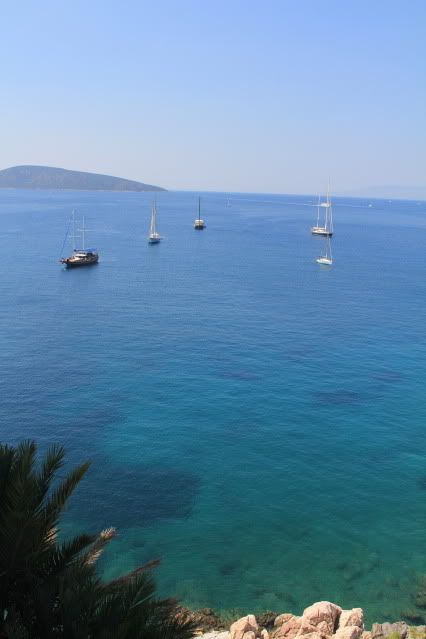
From Fethiye we took a 4 day/3 night cruise along the Mediterranean coast to Kale. The cruise was on a traditional wooden yacht (called a gulet) which we shared with 14 others.

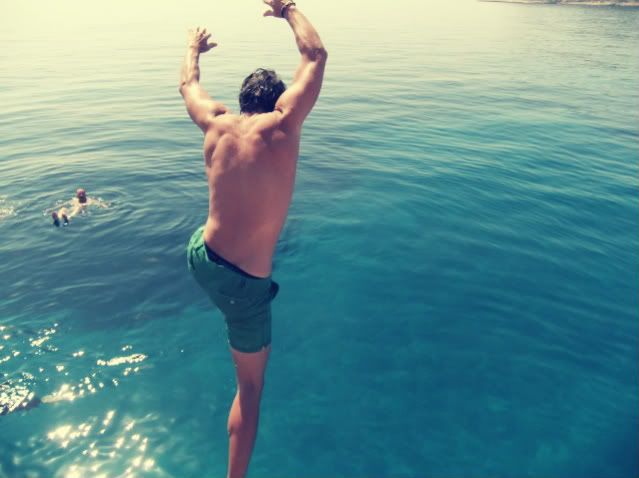
This was a very relaxing 4 days where we lazed on the boat, ate good food, and jumped overboard to swim in the amazingly clear water. Each day we stopped off to briefly visit a little town or attraction along the way and each evening we docked at a quiet bay where we had dinner on the boat and spent the night.

Bliss!


- Posted using BlogPress from my iPad

Kabak (Turkey)

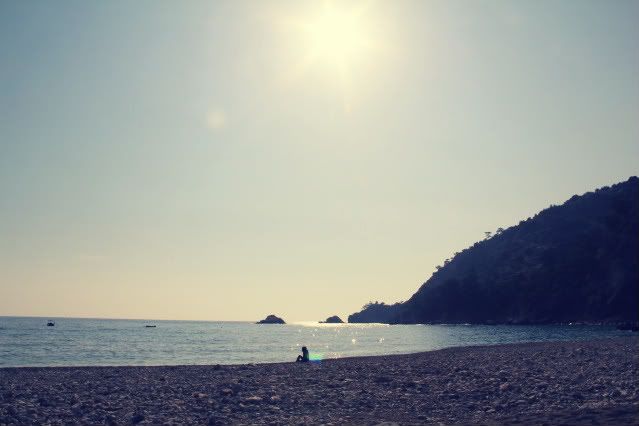
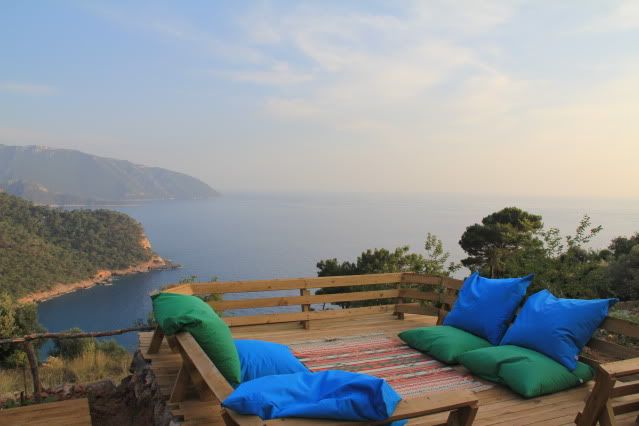
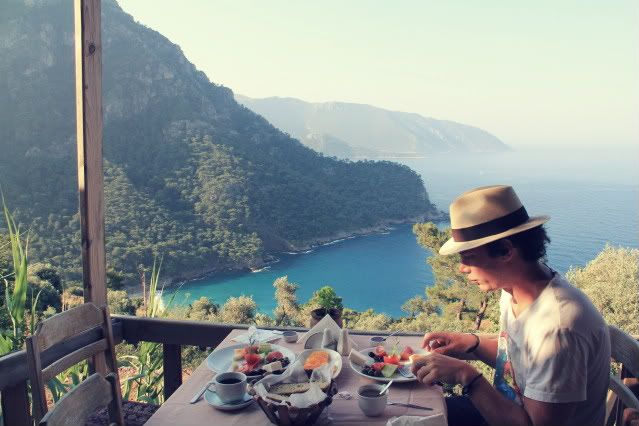
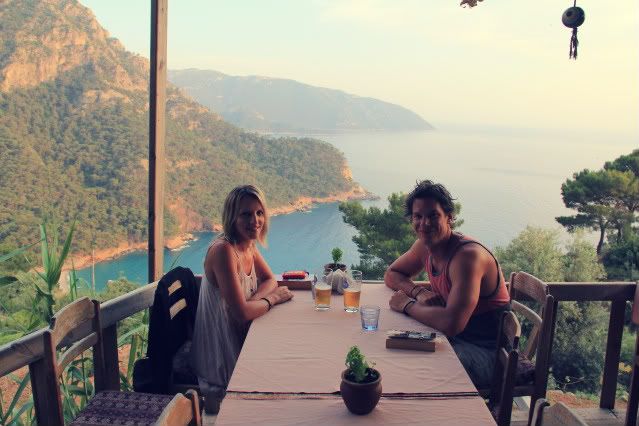
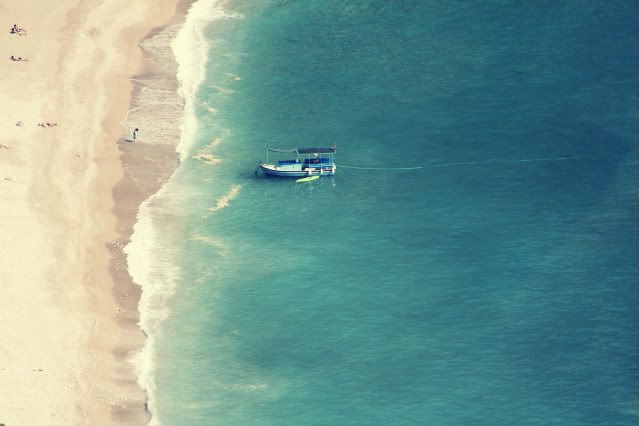
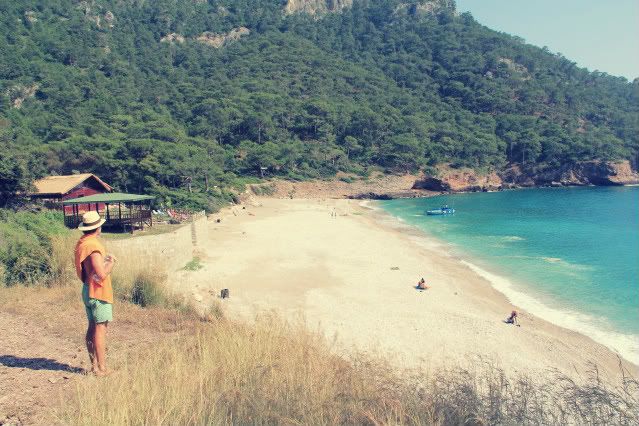
After Bodrum we headed further along the coast to stunning Kabak. This remote beach community is truely a slice of paradise! The small beach, which is reached by a steep and winding dirt road cut into the side of a mountain, has crystal clear water and is surrounded by forest-covered mountains.

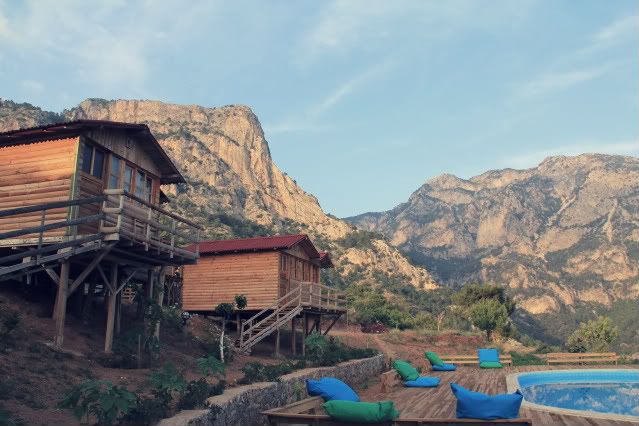
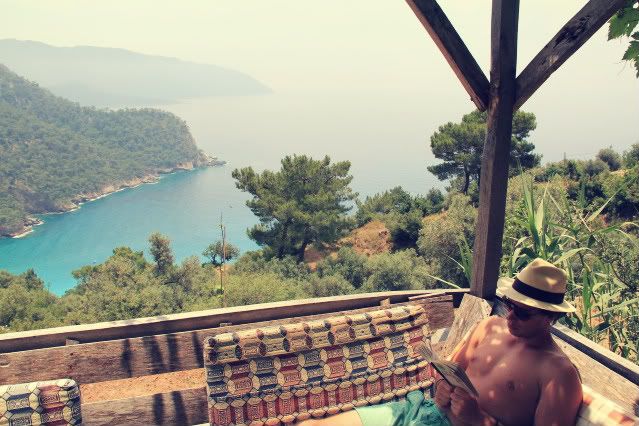
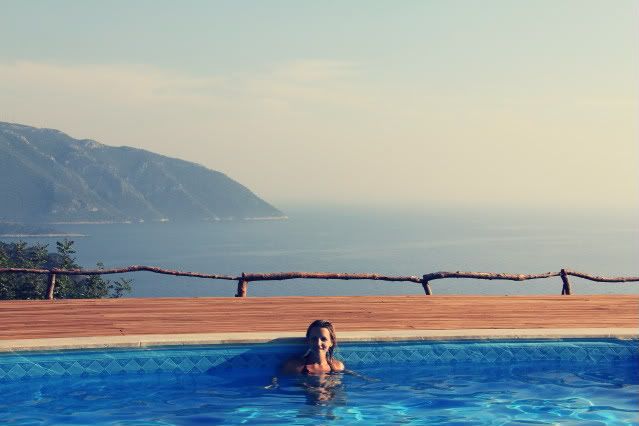
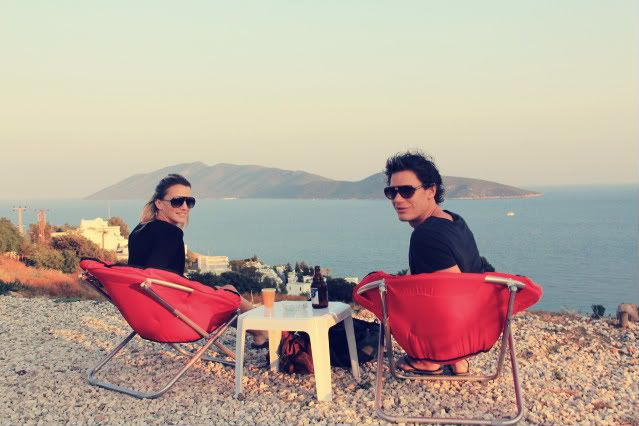
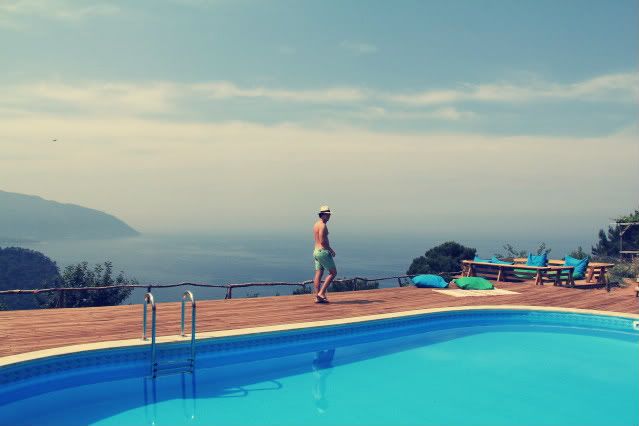
We stayed in basic wooden huts at a place called Olive Garden, situated high up on the hill with spectacular views over the Mediterranean. We spent our days lounging by the pool, admiring the view, hiking down to swim at the beach below, and dining on delicious home-cooked meals (Fatih, who runs the place, is an ex-chef).

With nothing to do, it was impossible not to relax here! We loved it.


- Posted using BlogPress from my iPad

The Dolmus

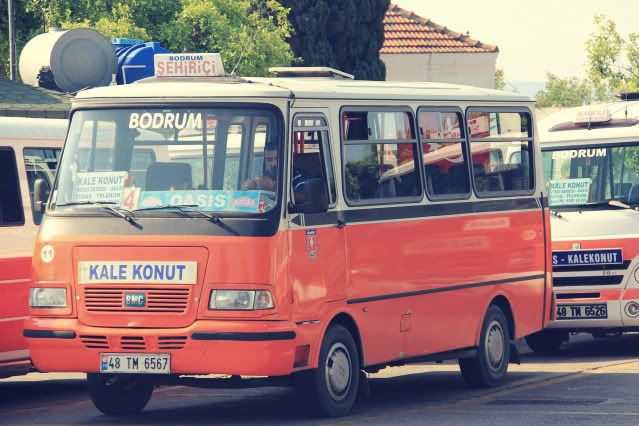
In Turkey the main (and often only) form of public transport within a city or between nearby towns is the dolmus. Usually a minibus or combi van, the dolmus runs a set route and seems to pick up and drop off passengers anywhere along the way. At times they can get hilariously crowded as the driver continues to pick up new passengers to maximize his earnings from the trip. In some places the dolmus' are painted different colours to indicate which route they serve. 

We thought they looked pretty cool...


- Posted using BlogPress from my iPad
Thursday, September 01, 2011

Bodrum (Turkey)

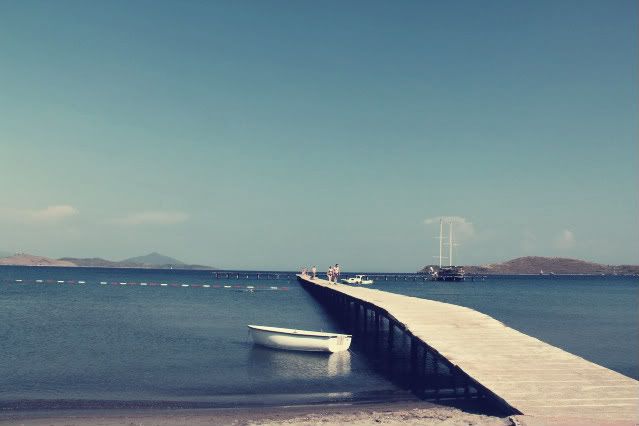
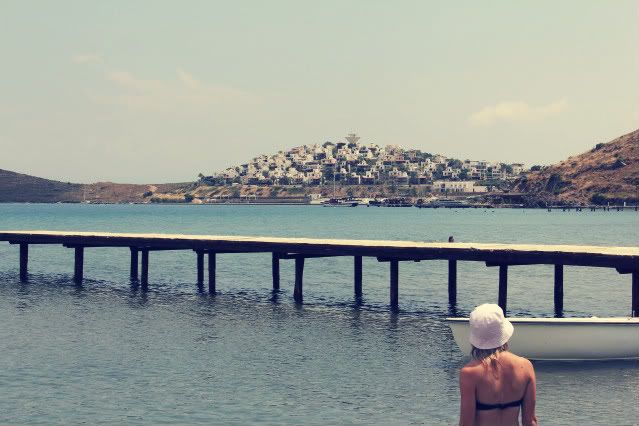
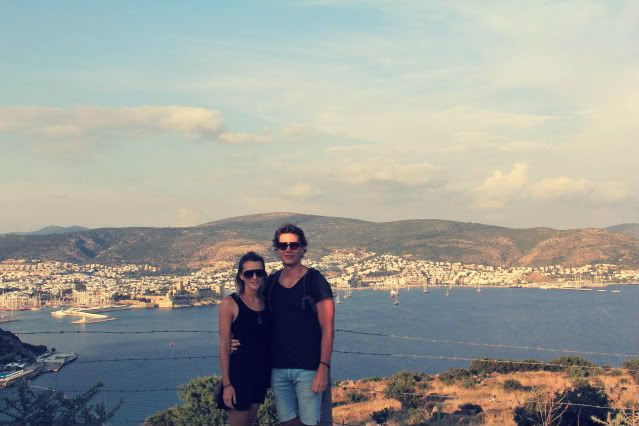
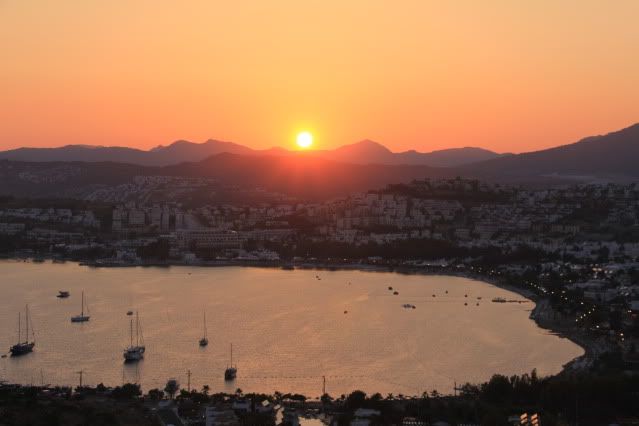
Bodrum is a picturesque Mediterranean town full of little white houses on hills overlooking the water and great beaches. It's a very popular holiday destination in summer but we visited just before the high season began so it wasn't too crowded, the temperature was perfect, and it was still possible to nab a beach chair right by the water at midday. We stayed in a little seaside village a couple of kms out of the main town and enjoyed 2 days by the beach - a welcome rest for our travel-weary bodies!


- Posted using BlogPress from my iPad
Monday, August 15, 2011

Pamukkale (Turkey)

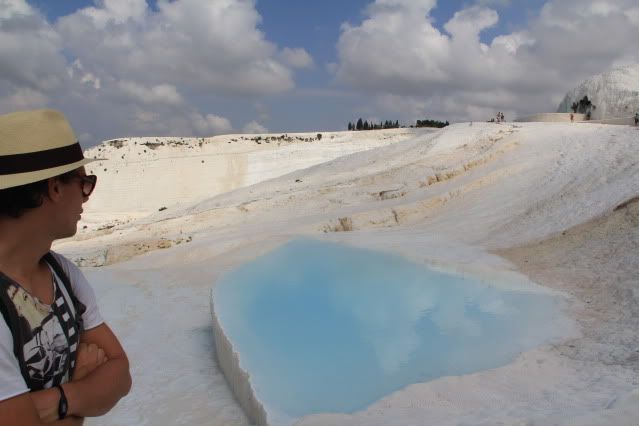
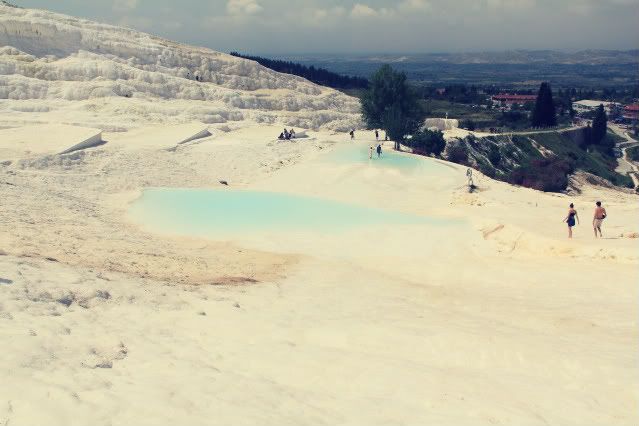
The town of Pamukkale (which means "cotton castle" in Turkish) is home to the spectacular travertines as well as the ancient city of Hierapolis, and is the most famous attraction in the natural spa region of Turkey.

The town itself is nothing special, and we wondered if we'd made a mistake coming here when we arrived on a dull and rainy evening. However, we awoke the next day to glorious sunshine and found the travertines just a few minutes walk away.

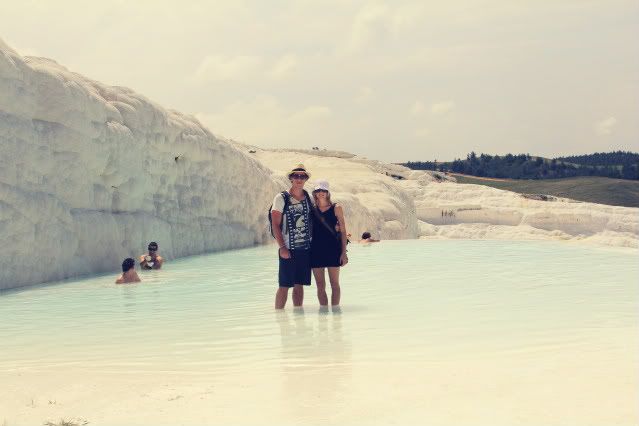
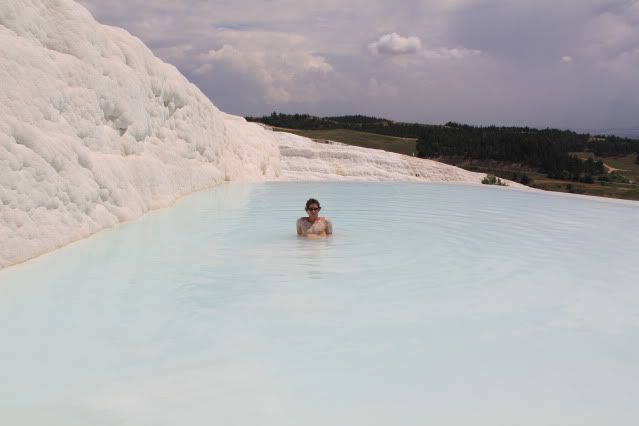
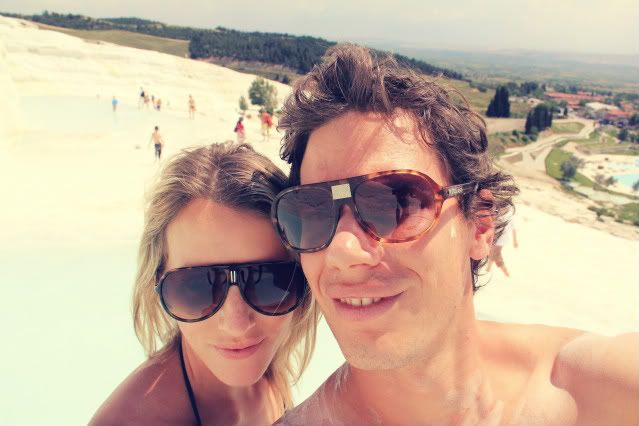
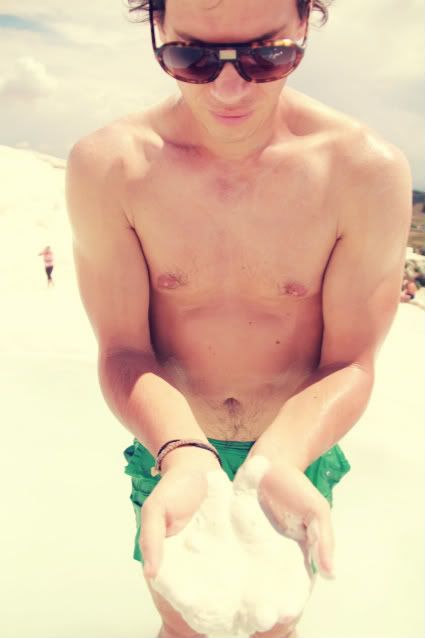
The landscape is stunning, with sparkling white travertine terraces and pools full of clear blue water hugging the ridge above the town. The travertines are made of calcium carbonate and are formed when the warm mineral water reaches the surface and deposits calcium. Despite our guidebook telling us we couldn't swim in the travertine pools we saw heaps of visitors bathing in the waters so we quickly joined in!

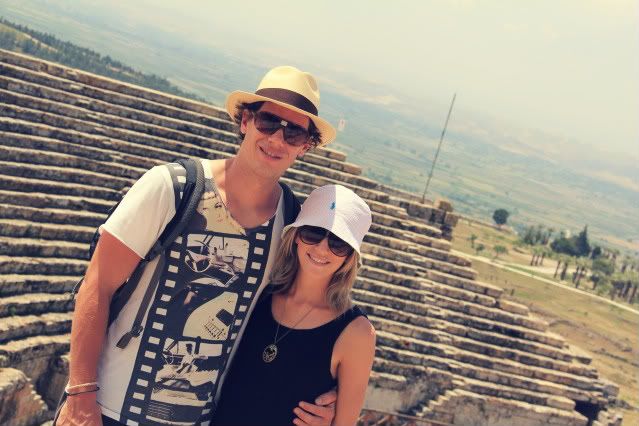
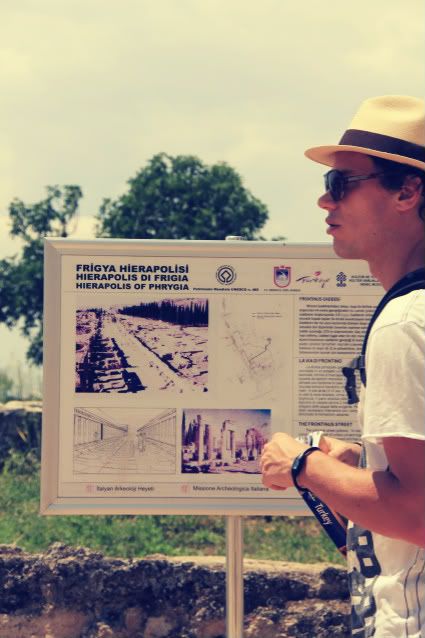
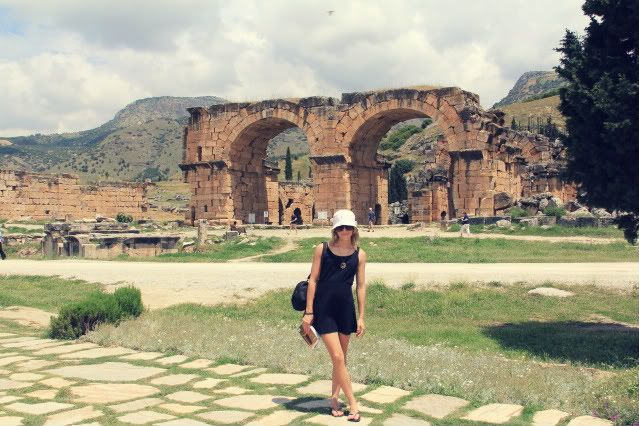
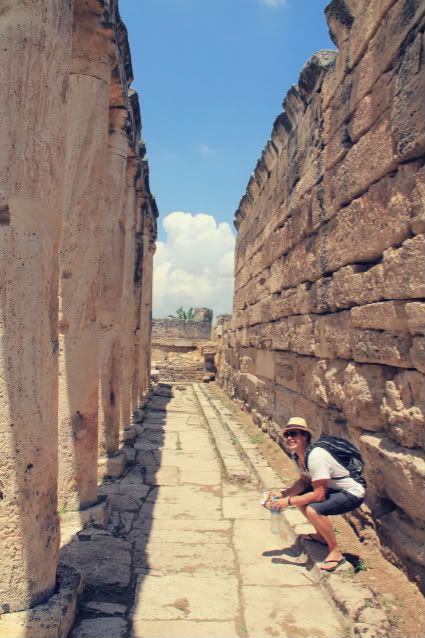
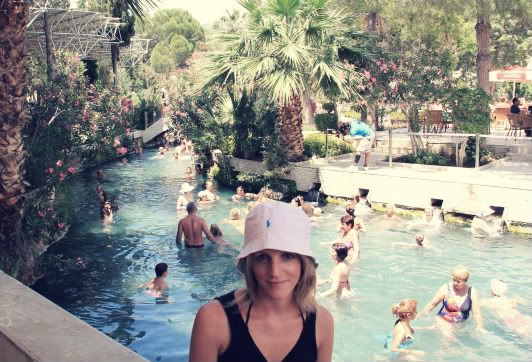
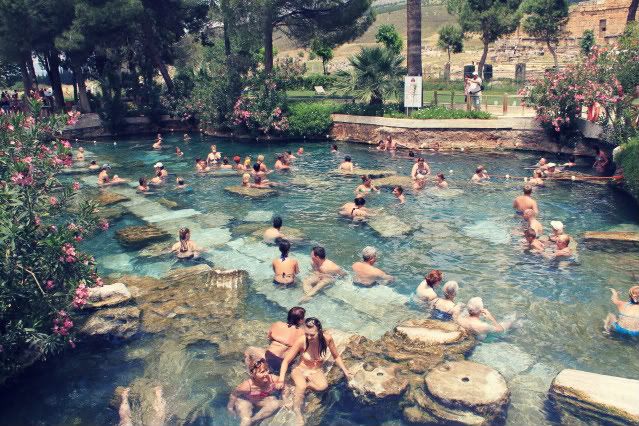
We also visited the sprawling ruins of Hierapolis which are situated on the hill right above the travertines. This ancient city was once a popular health & spa centre during the Roman period due to the supposed healing qualities of it's calcium-rich water. The centre of the city was probably originally the Sacred Pool, which you can still swim in today amid submerged sections of original marble.


- Posted using BlogPress from my iPad
Saturday, August 13, 2011

Ephesus (Turkey)

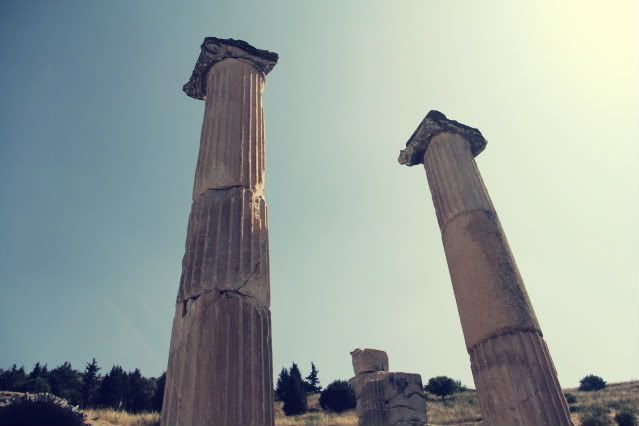
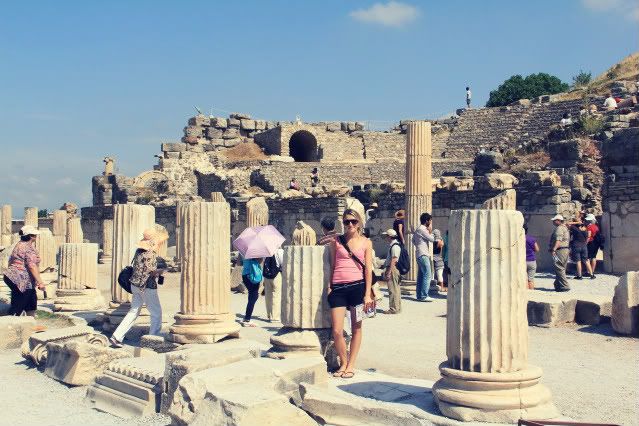
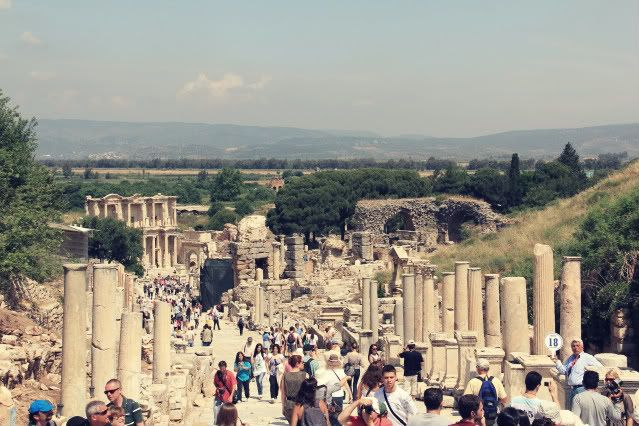
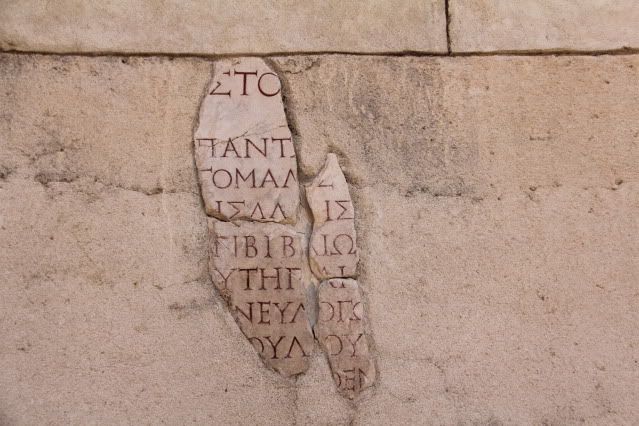
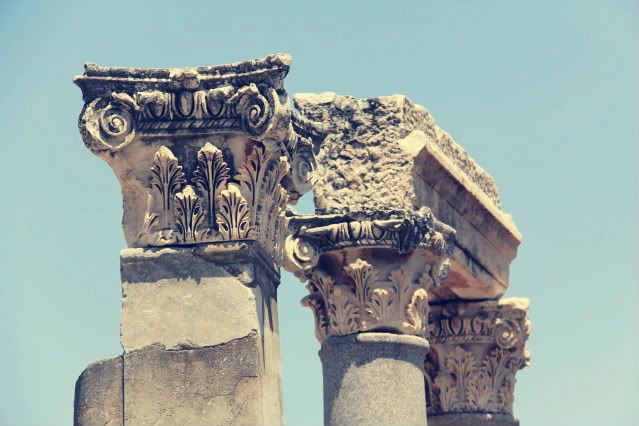
One of our Turkey highlights was visiting this ancient city which is incredibly well-preserved. In Roman times Ephesus was a great trading city with a population of around 250,000 (the 2nd largest city in the world back then) and home to the Apostles Paul and John, among others.

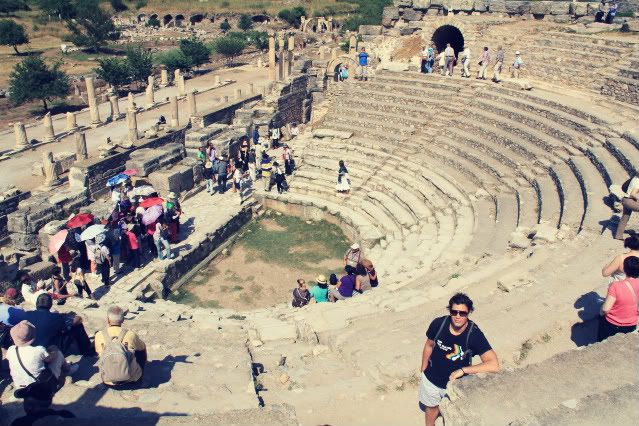
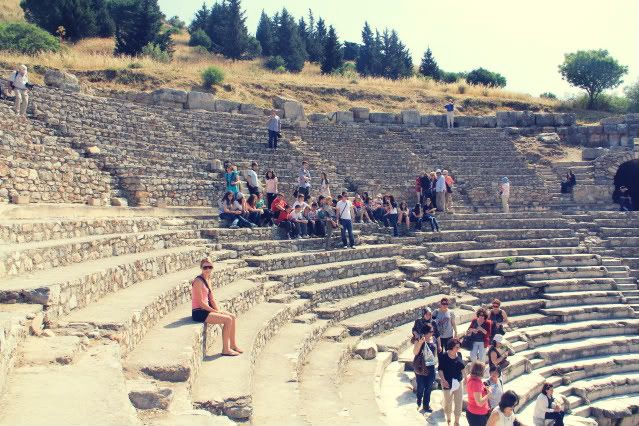
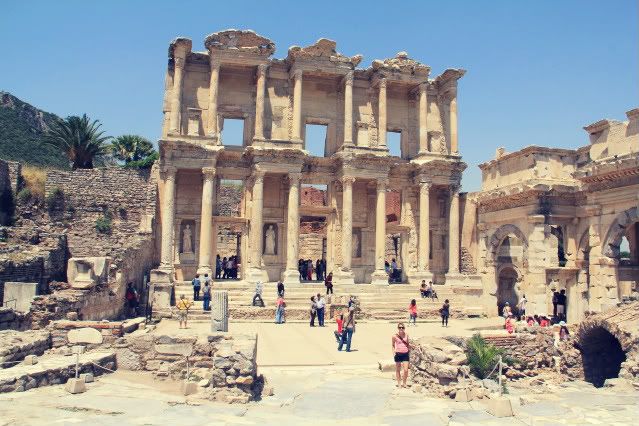
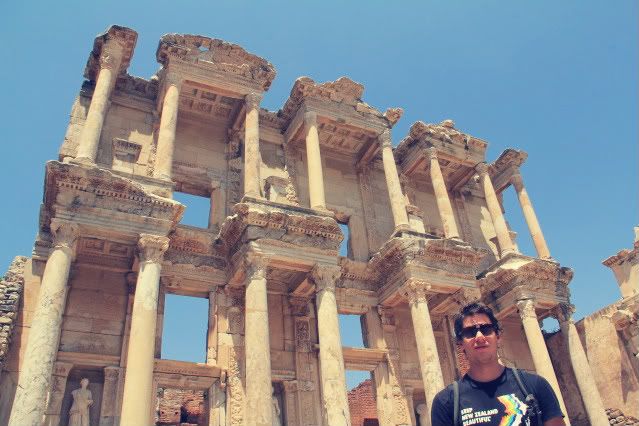
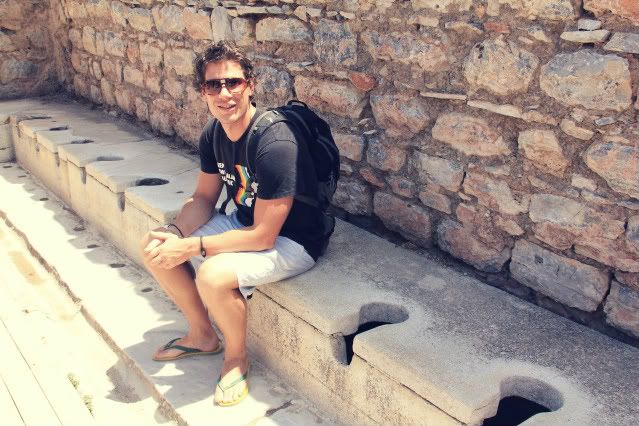
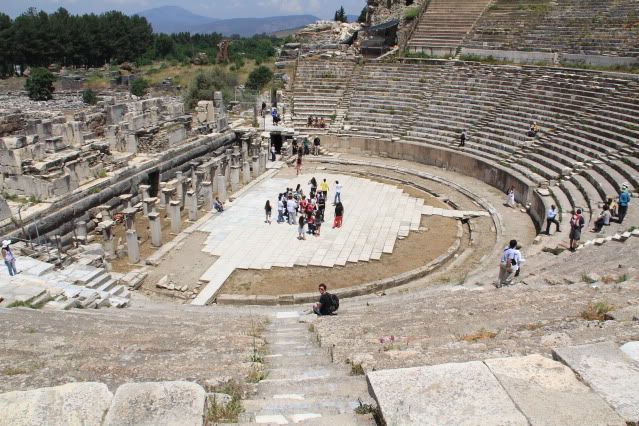
Some of the most interesting sights were the towering Library of Celsus which was built around 125AD and used to hold 12,000 scrolls, the Great Theatre which held up to 25,000 spectators, the 2-story high Terraced Houses which housed the rich and had walls covered in frescoes and floors in mosaics, and the communal men's toilets which consisted of stone benches with holes cut into them (to sit on!) and drains beneath to carry away the waste.
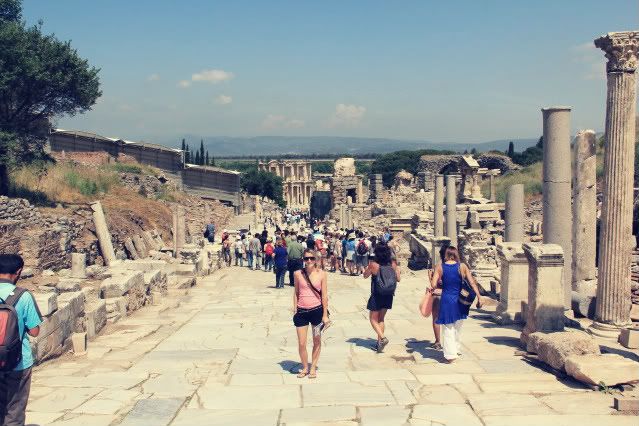
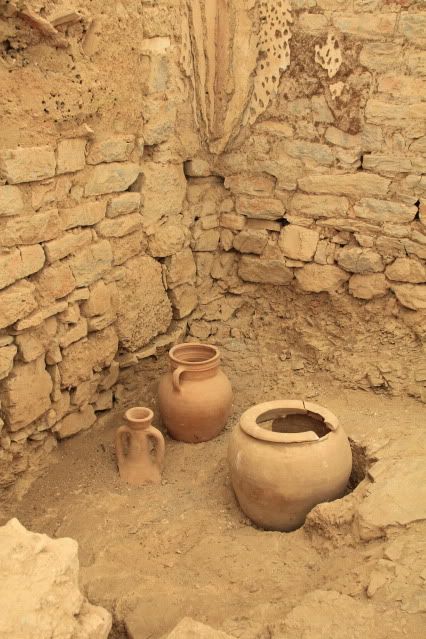
We were amazed by how advanced and well planned this city was for its time - the Library of Celsus faces east so the reading rooms would get good morning light and was built with a 1m gap between the inner and outer walls to protect books from extremes of humidity and temperature; the streets had drainage channels for sewage and water beneath them; and the Terraced Houses had a clay pipe heating system beneath the floors and behind the walls as well as both hot and cold water!

After visiting here it's far easier for us to imagine what life was like back in Roman times!


- Posted using BlogPress from my iPad