Saturday, May 14, 2011

Cuzco & The Sacred Valley (Peru)

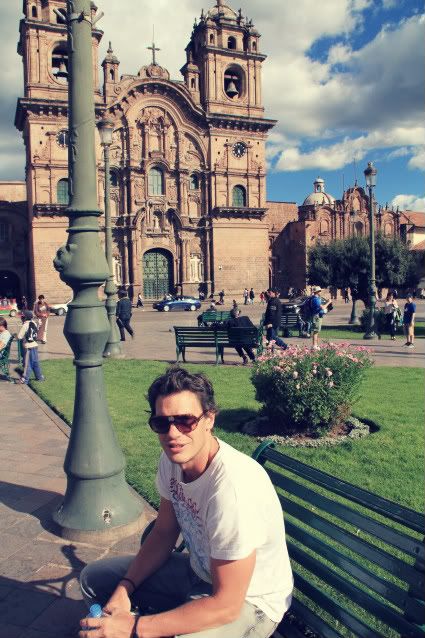
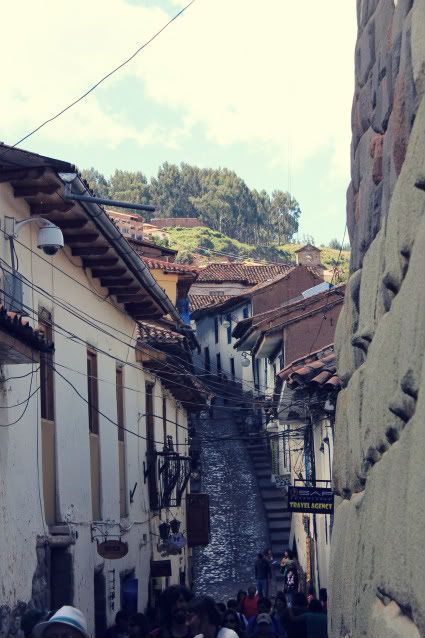
After Arequipa we caught an overnight bus to Cuzco, America´s oldest continuously inhabited city and the former capital of the Inca empire. It´s well known today as the gateway to the Inca Trail/Machu Picchu for most travellers.

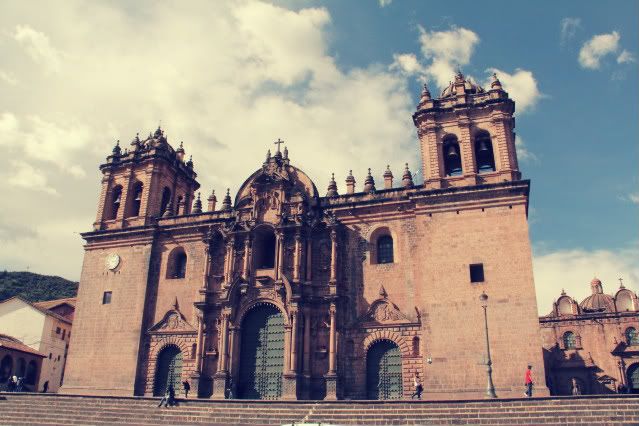
We had a low key couple of days here before starting the Inca Trail. During this time we saw the amazing cathedral located in the main plaza (which took nearly 100 years to build!) and visited the interesting Inca museum. 

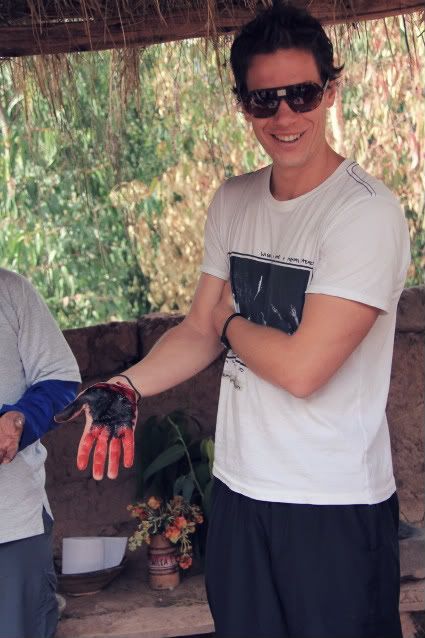
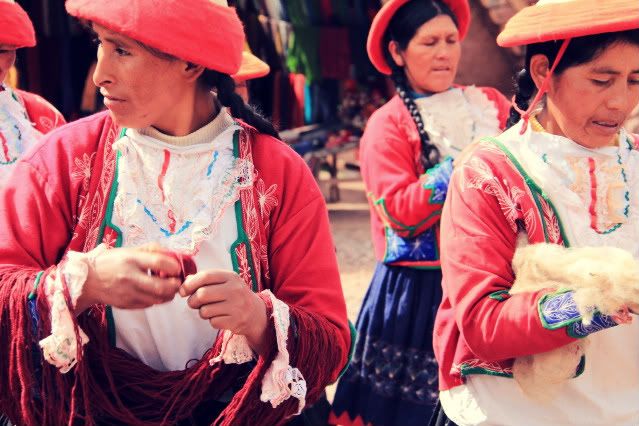
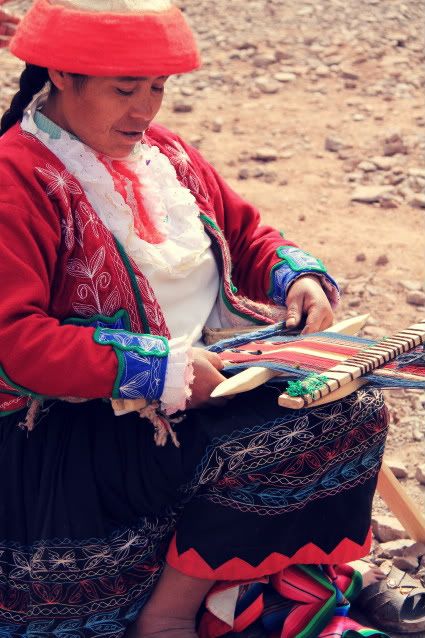
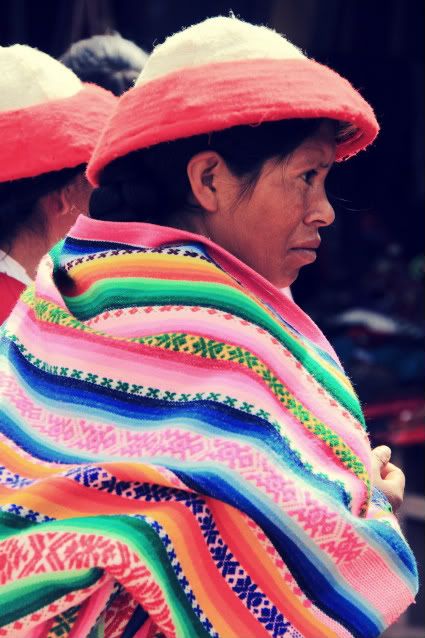
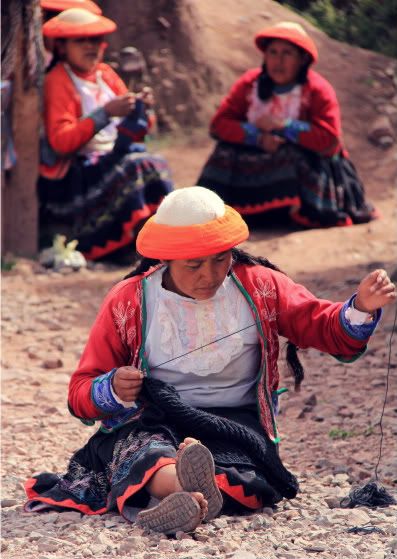
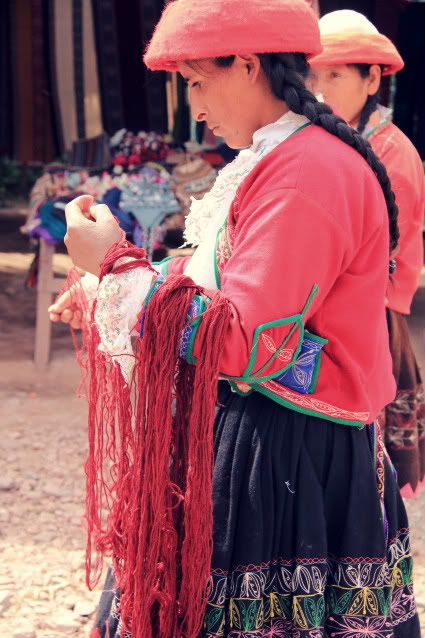
We spent a day seeing the Sacred Valley on our way to the starting point for the Inca Trail. We visited a tiny community called Ccaccaccollo which GAP Adventures (the operator we did the Inca Trail with) supports through the development of a women´s weaving project and by hiring some of the men as porters on the Inca Trail. While here we learned how they dye wool and fabrics different colours by using various plant leaves or seeds - Nick´s hand was a model for showing how this works! (see photo below) 

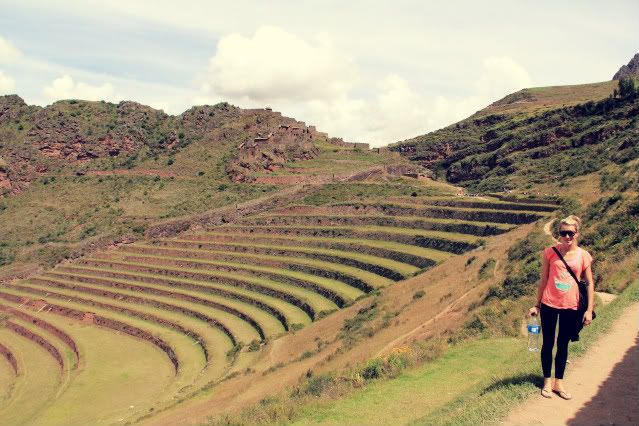
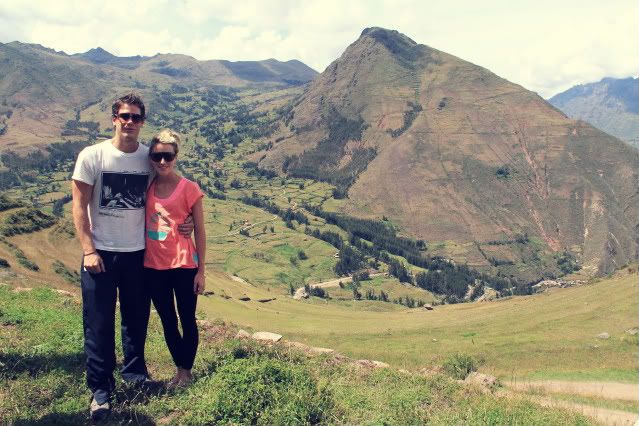
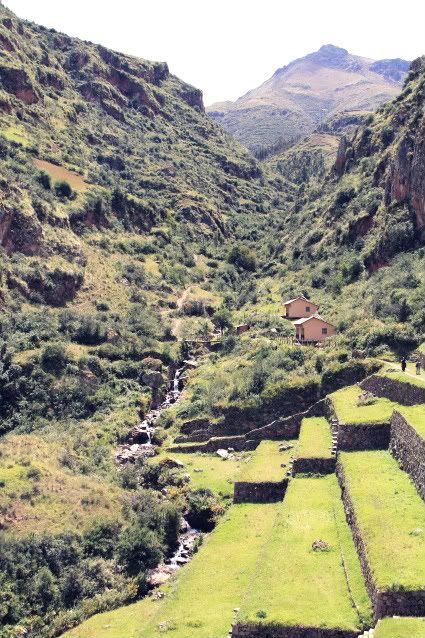
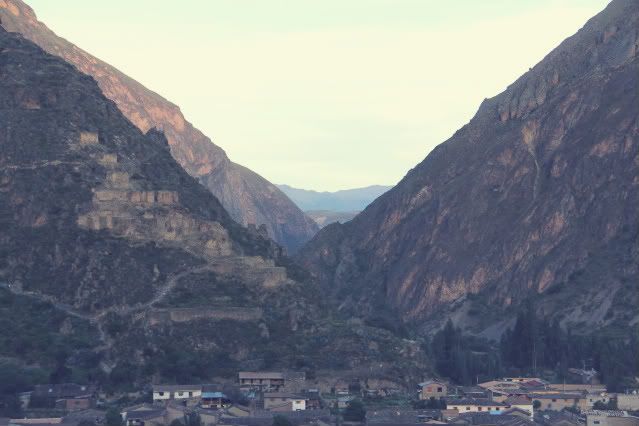
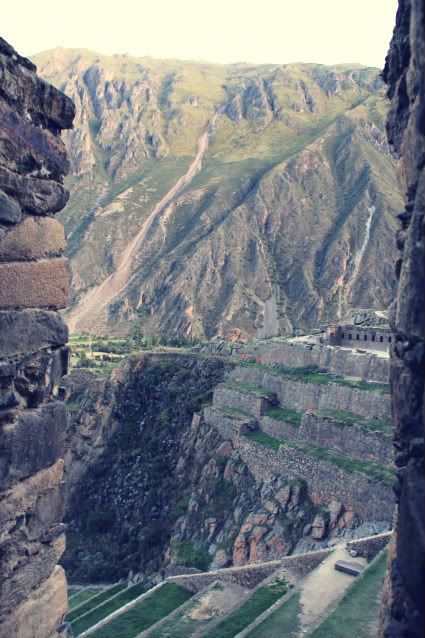
We also saw the impressive Inca cities of Pisac and Ollantaytambo which are situated on hillsides and include agricultural terraces and buildings made from huge blocks of stone. We spent the night in Ollantaytambo before starting the Inca Trail the next morning.
- Posted using BlogPress from my iPad

Tuesday, May 10, 2011

Arequipa & The Colca Canyon (Peru)

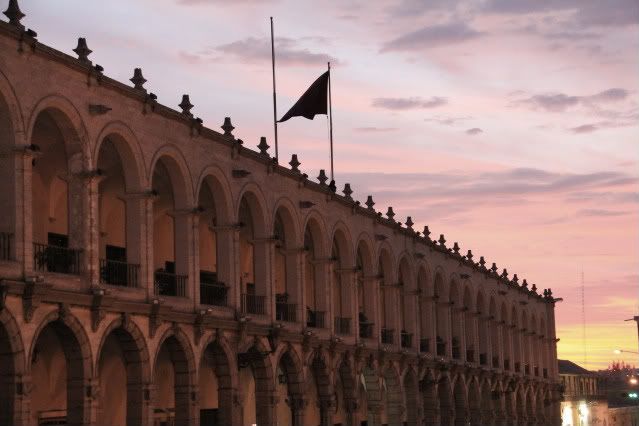
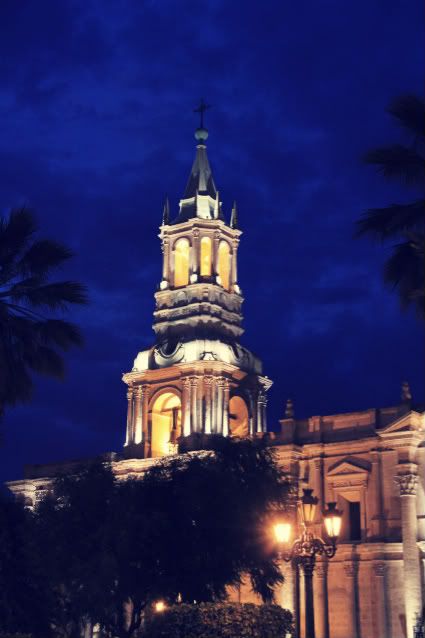
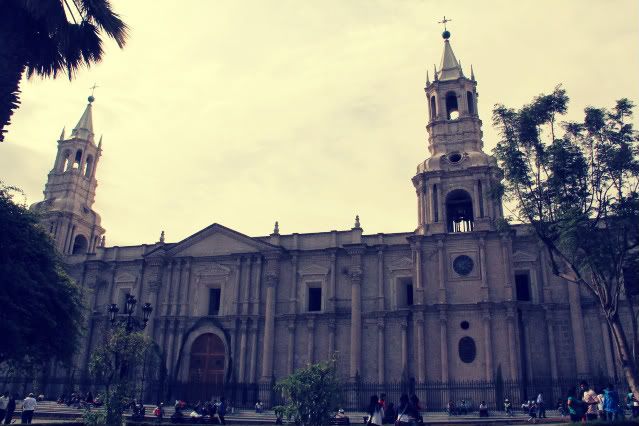
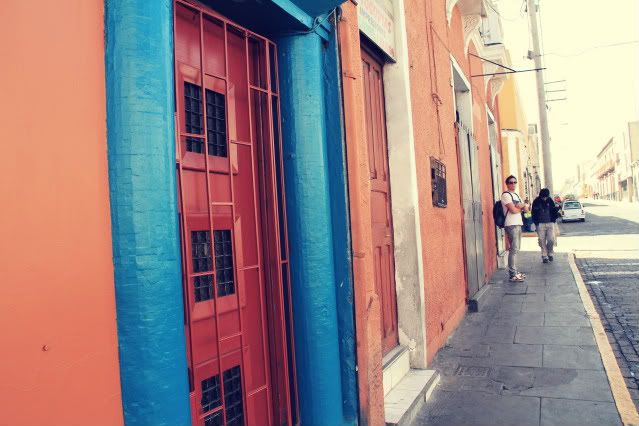
Our first stop in Peru was Arequipa, known as ´the white city´because of the white volcanic rock (called sillar) used in many of it´s buildings. It´s a gorgeous city surrounded by mountains and has a lovely central plaza where you can sit and take it all in.

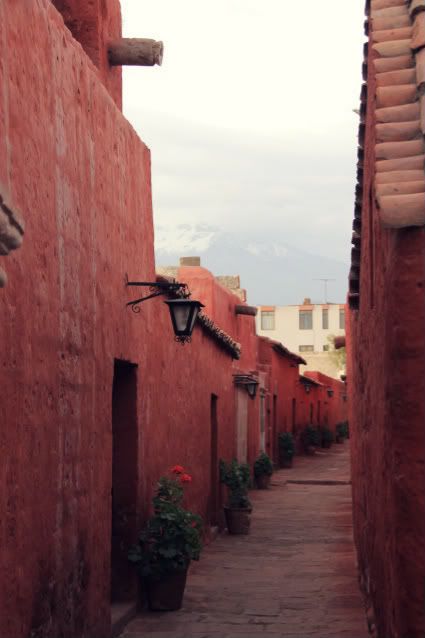
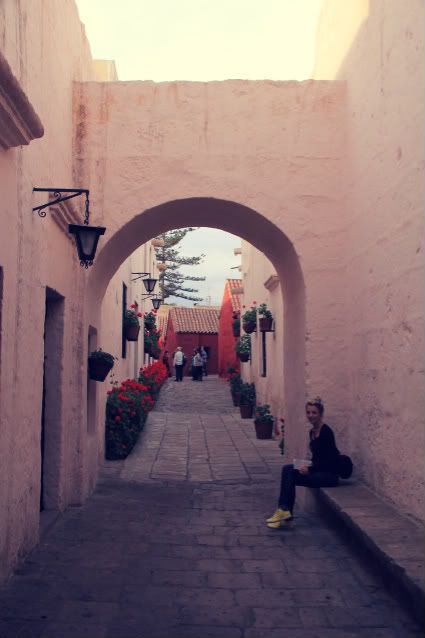
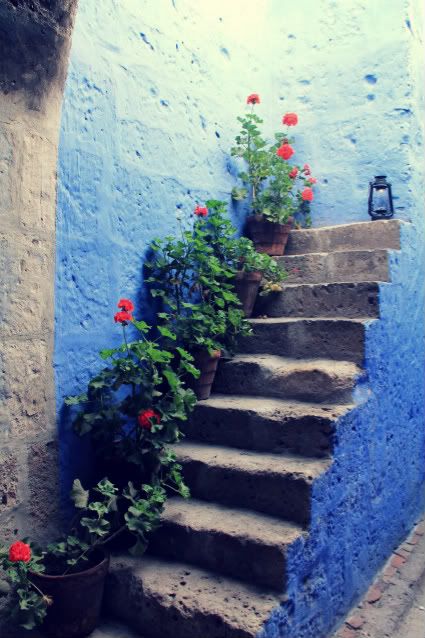
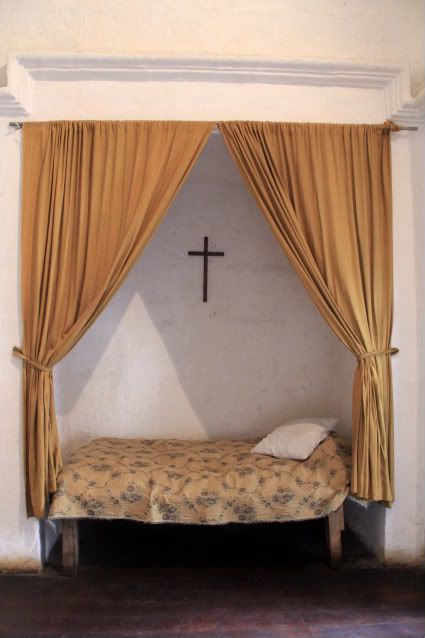
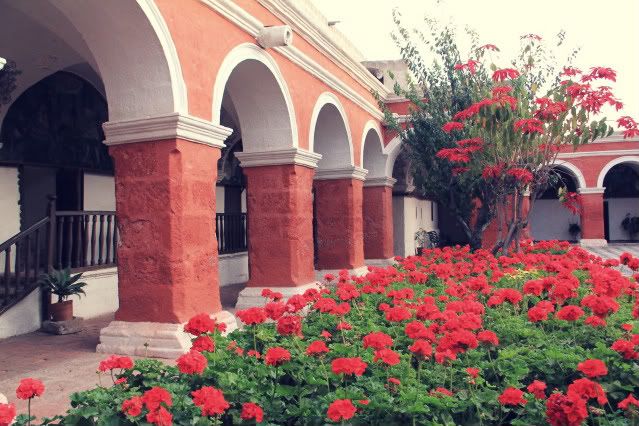
We visited the Monasterio Santa Catalina (photos 3 - 7), a huge convent occupying a whole block of the town (over 20,000sqm!) and guarded by high walls. Although founded over 400 years ago (in 1580) it´s only been open to the public since 1970. We wandered the narrow cobblestone streets of this amazing complex, visiting the nun´s living quarters, passing vividly painted walls and walking through beautiful plazas with fruit trees.

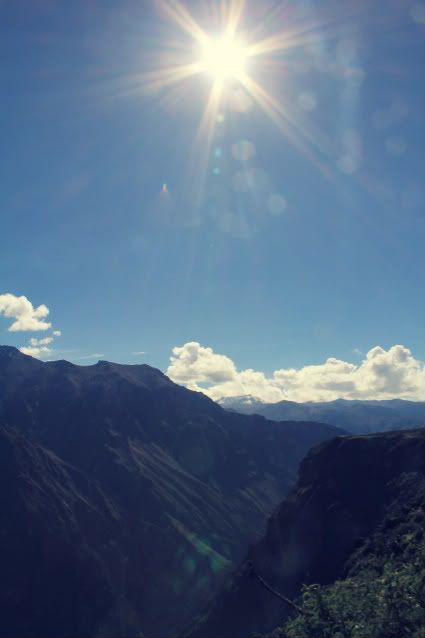
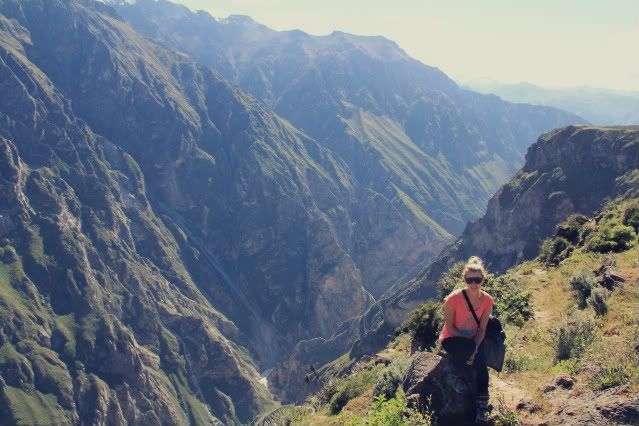
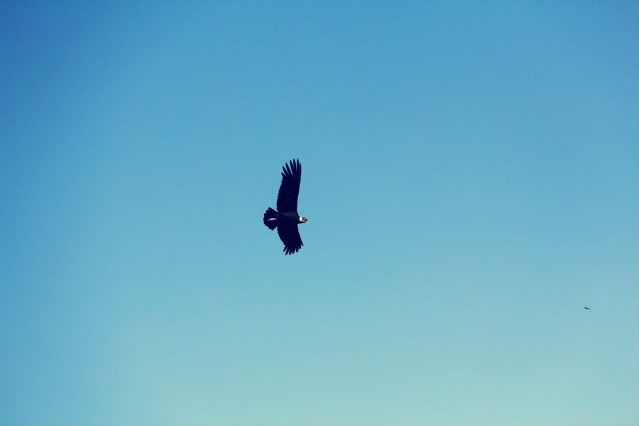
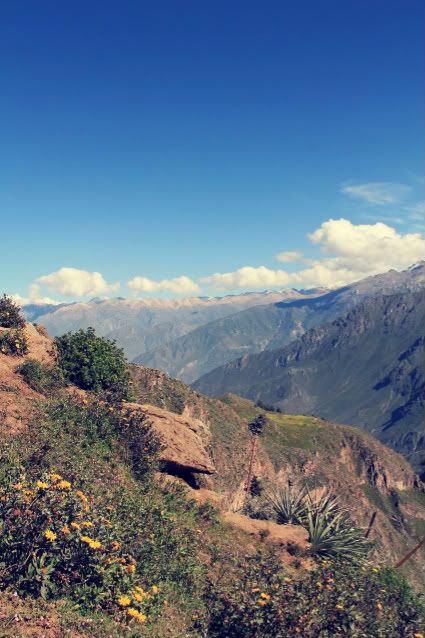
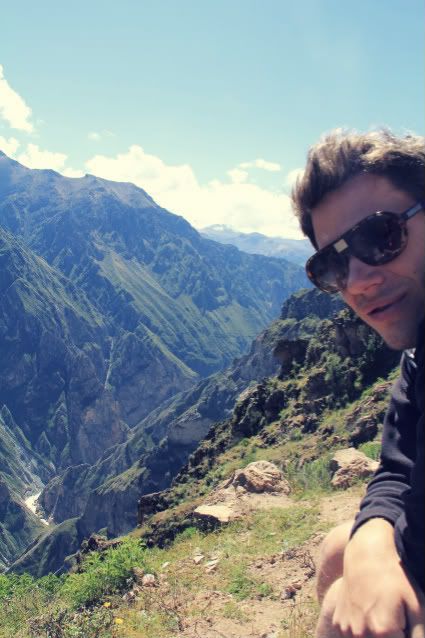
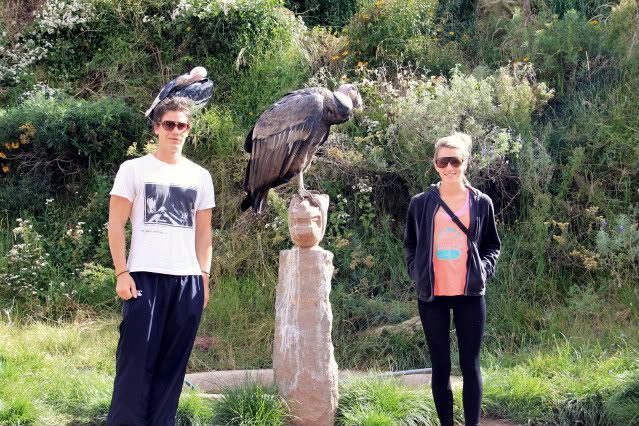
From Arequipa we did a 2 day tour of the nearby Colca Canyon, one of the world´s deepest at 3191m. While visiting the canyon we stayed in a hotel in a tiny village called Yanque where we enjoyed amazing food (like Alpaca steak) cooked by an awesome French chef. Although our visit to the canyon was pretty short we got to see some of the huge condors gliding above it.


- Posted using BlogPress from my iPad
Saturday, May 07, 2011

Isla del Sol / Lake Titicaca (Bolivia)

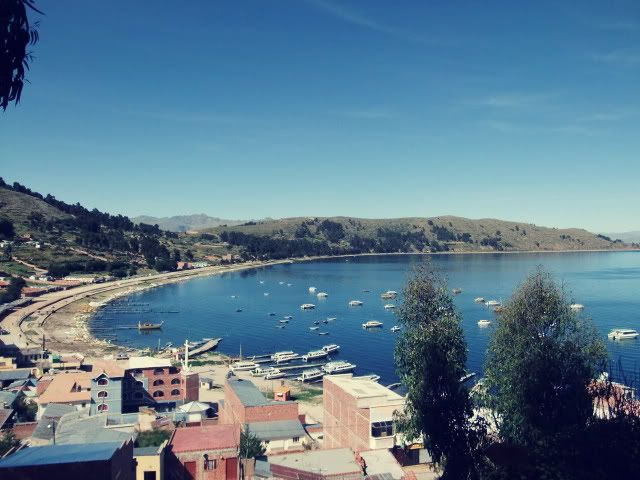
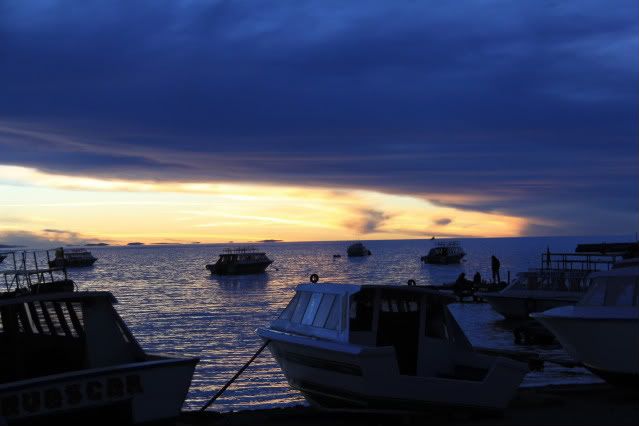
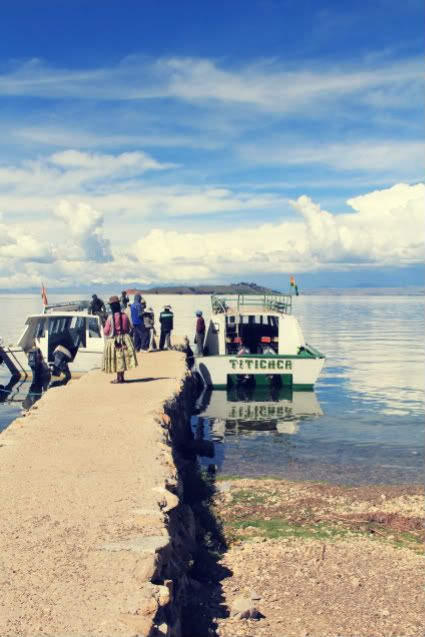
After La Paz we caught a very early 5am bus (to avoid the protesters who were planning on blocking the roads out of town) to Copacabana (see first two photos), on the shores of Lake Titicaca - the world´s highest altitude lake (3800m), covering 8400sq km and straddling both Bolivia and Peru.

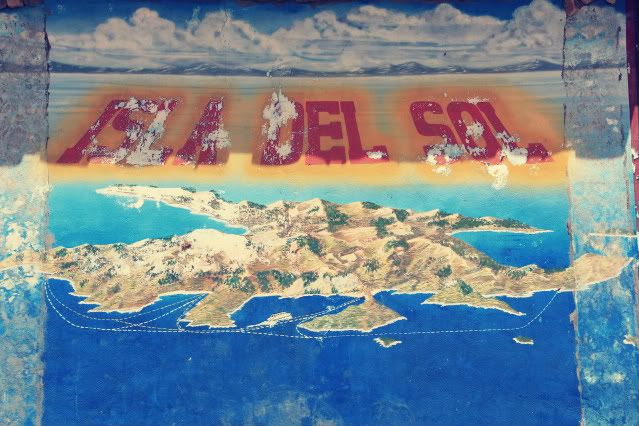
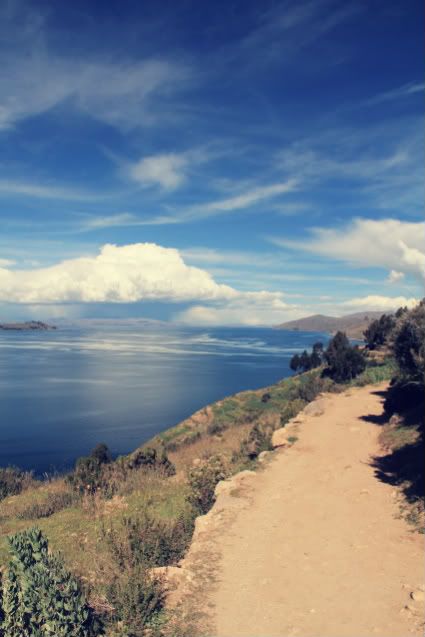
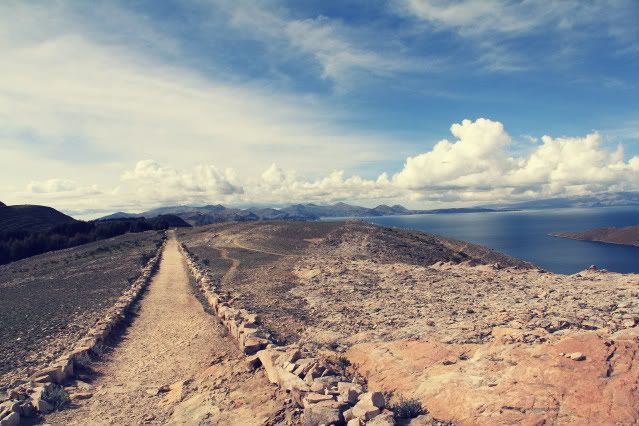
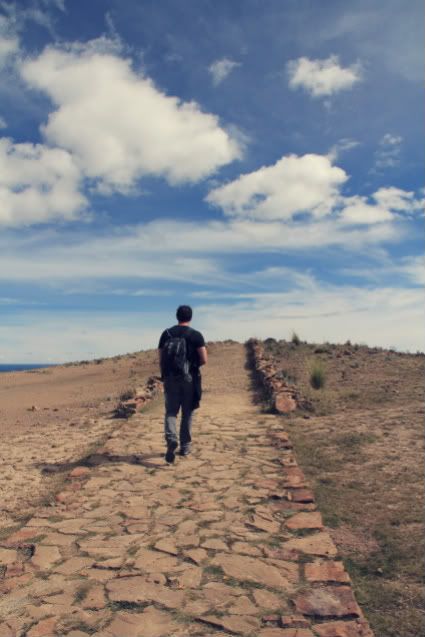
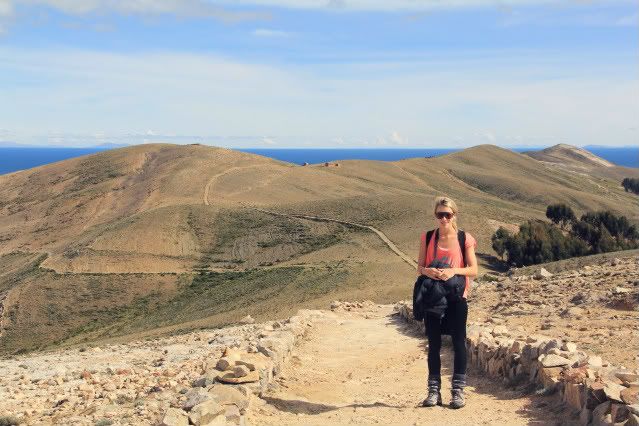
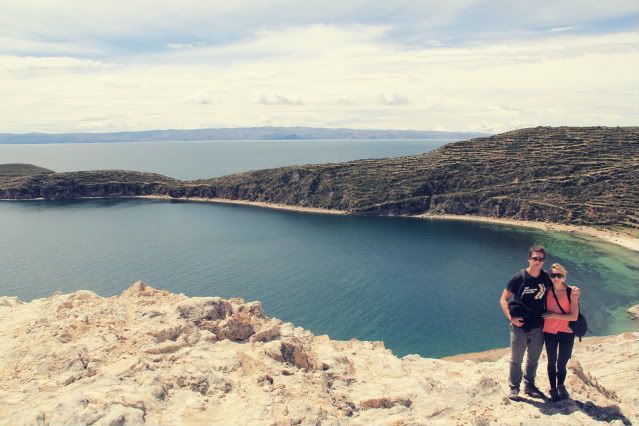
We headed straight for Isla del Sol (Island of the Sun), about a 2hr boat trip from Copacabana. Isla del Sol has an important place in Inca history as they believe it to be the birthplace of the sun. The island is dotted with several villages, no cars, and a network of walking tracks to get around (some very steep!).

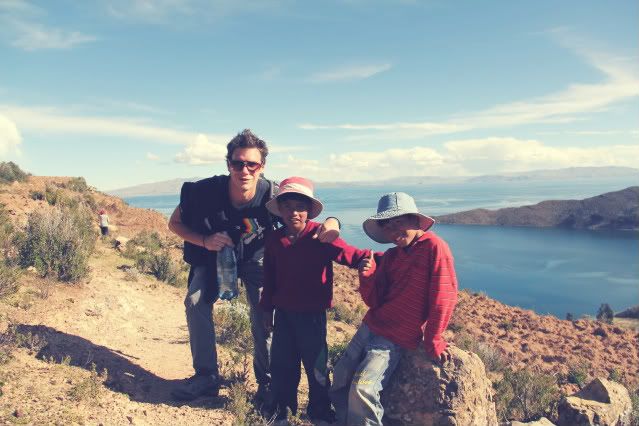
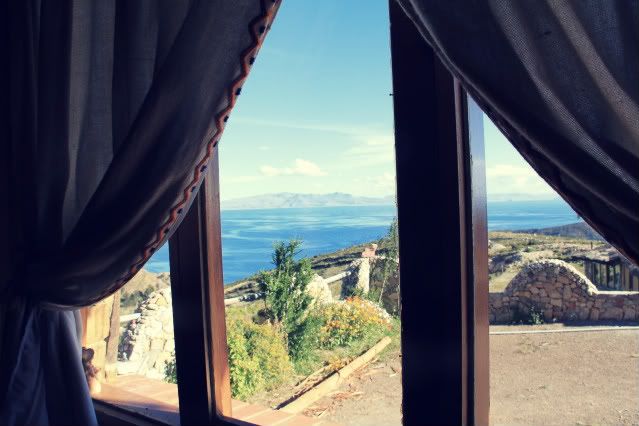
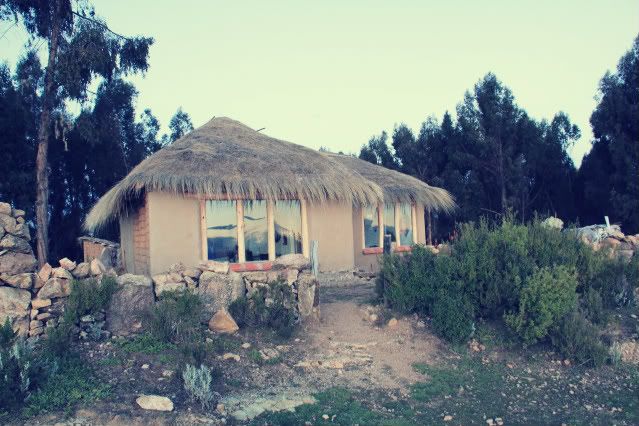
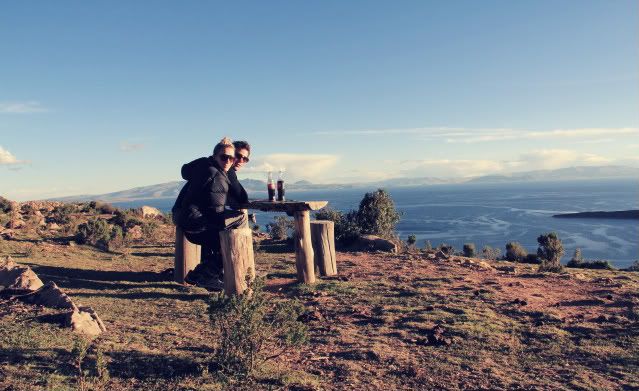
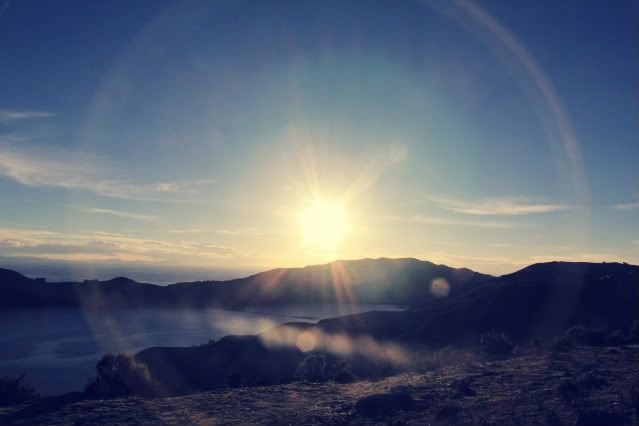
On arrival we thought we had a relatively short and straightforward walk to our accomodation but after a wrong turn we ended up requiring the help of a couple of 6yr old boys as ´guides´ to get us there! (see photo of them with nick). We stayed in basic accomodation with idyllic views and that night we dined at a tiny restaurant with no electricity (just a small hut with thatched roof, see photo), amazing sunset views, and the most delicious meal we experienced in Bolivia!

The next day we hiked to the north part of the island, past locals tending to their crops and animals, to visit centuries-old Inca ruins before catching the boat back to Copacabana.

This is a really beautiful part of the country and we would´ve stayed longer if we had time!


- Posted using BlogPress from my iPad
Friday, May 06, 2011

La Paz (Bolivia)

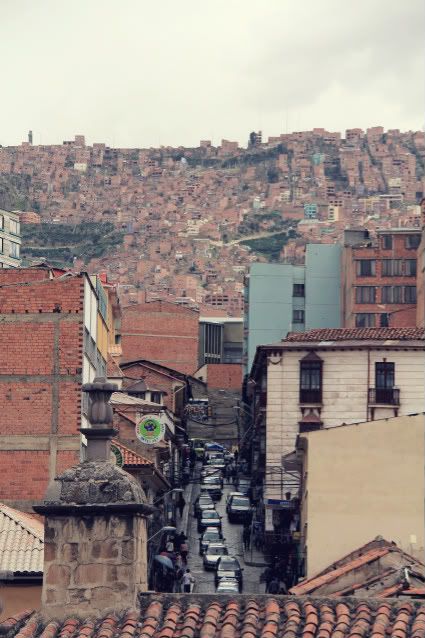
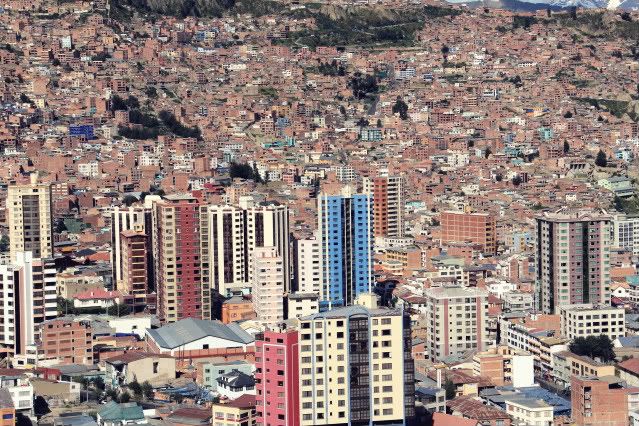
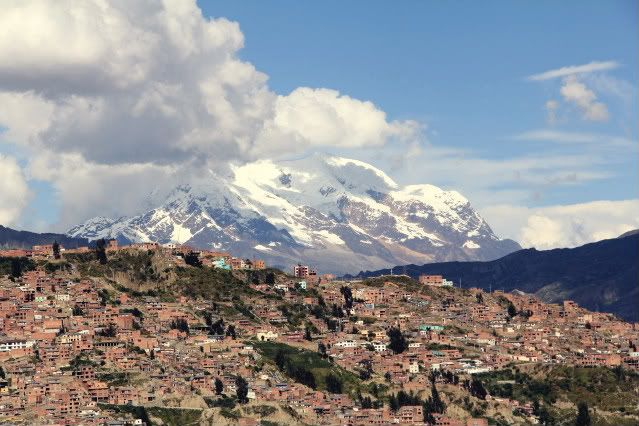
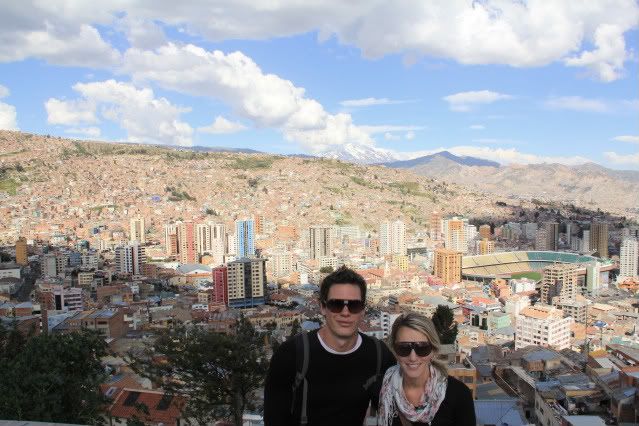
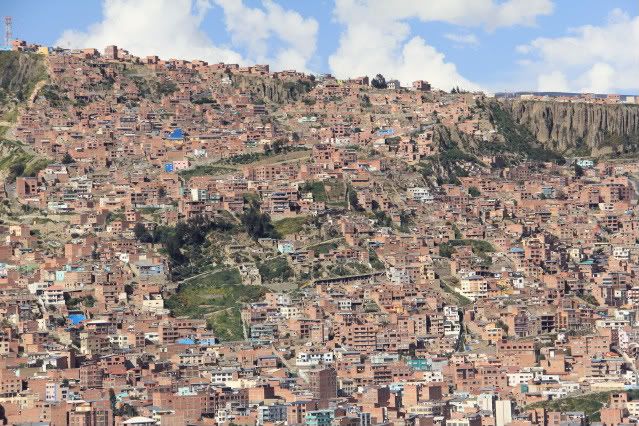
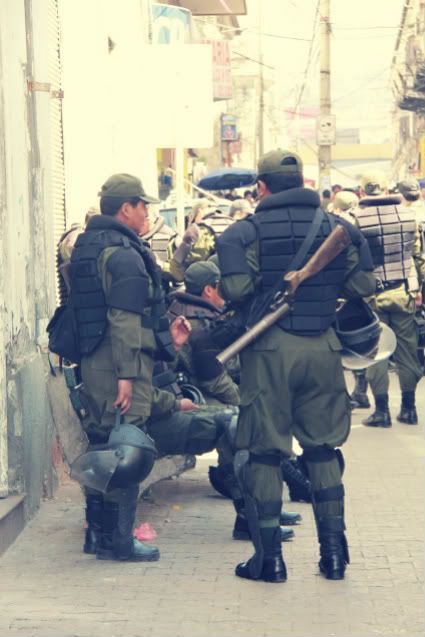
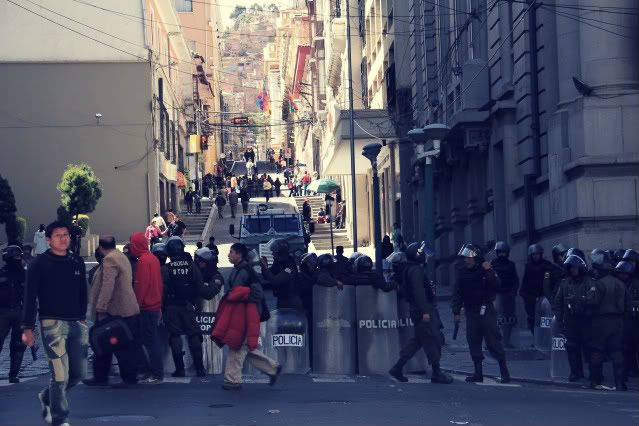
Next stop - La Paz, Bolivia´s capital and the highest capital city in the world at 3700m. It was an interesting time to visit as there were mass protests every day in the city (re a pay increase for miners we were told), frequent loud explosions as the protesters set off dynamite in the streets, and loads of riot police around (we felt the effects of their teargas on one occasion!).

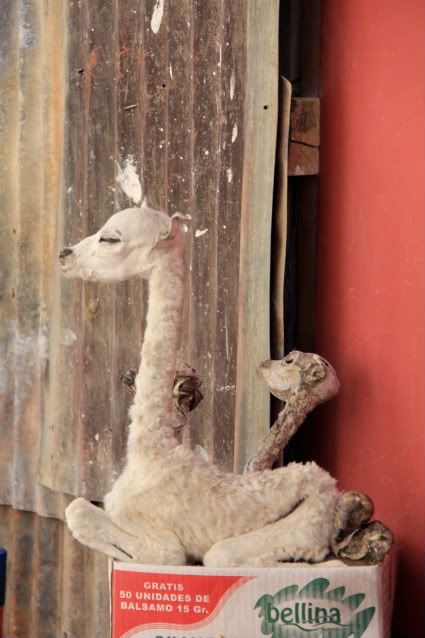
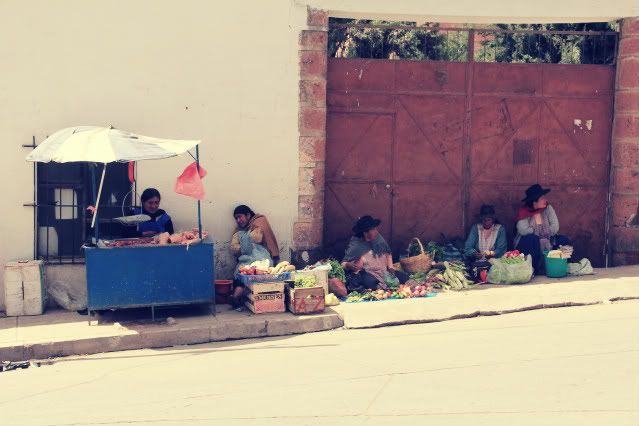
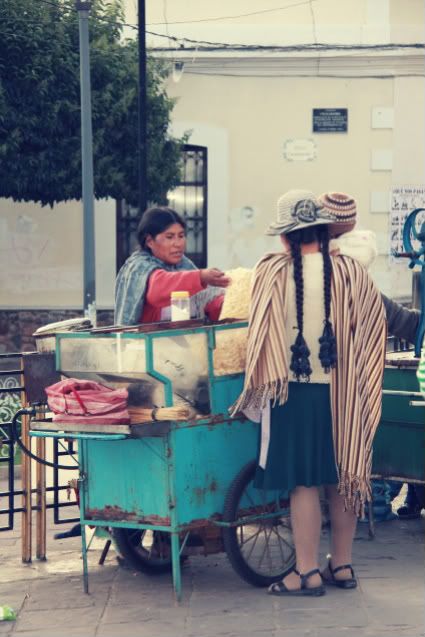
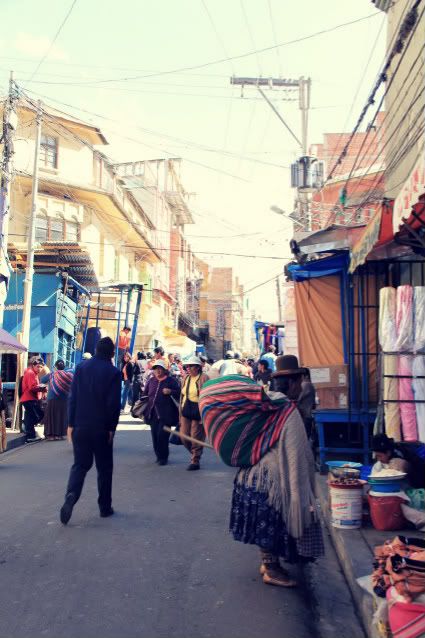
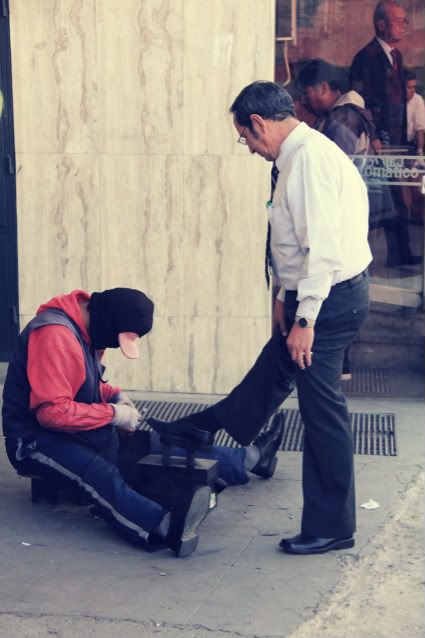
La Paz is basically a city built inside a giant crater, with buildings clinging to the side of the canyon and steep streets which can be tough to walk due to the altitude. Common sights while wandering the city are shops selling llama fetuses (which supposedly bring you good luck), women with long black plaits and bowler hats selling food on the footpaths, and balaclava-clad shoeshine boys who try to sell their services even if you´re wearing jandals!

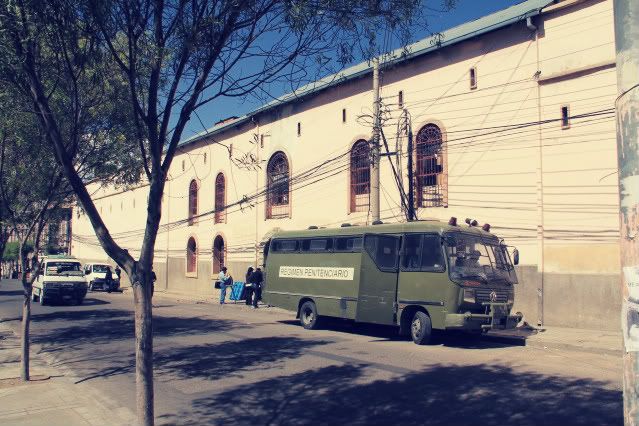
While here we checked out the cool Contemporary Art museum (housed in a building designed by Gustave Eiffel), the fascinating Coca museum, the outside only of the notorious San Pedro prison (made famous by the book Marching Powder), and enjoyed catching up with some fellow kiwis.


- Posted using BlogPress from my iPad
Friday, April 22, 2011

Sucre (Bolivia)

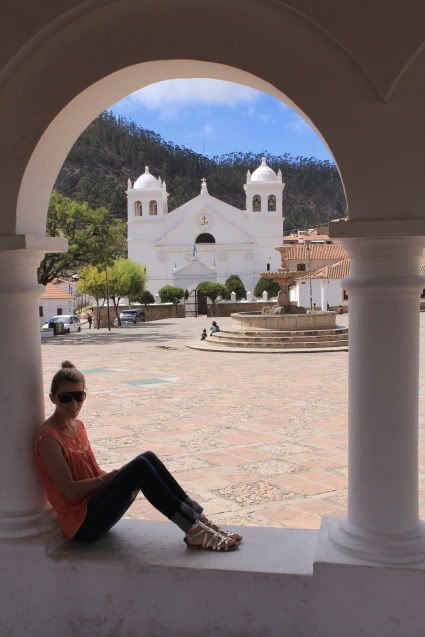
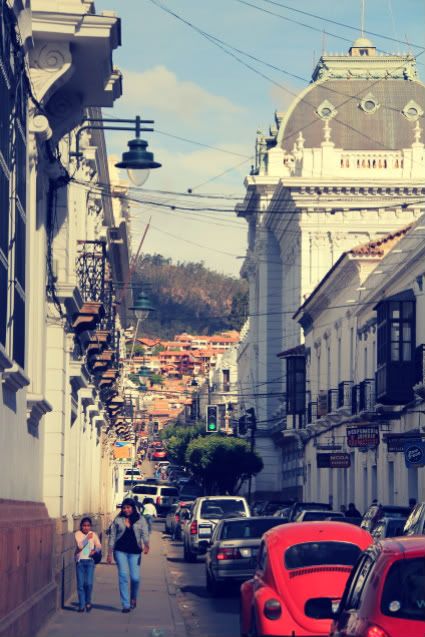
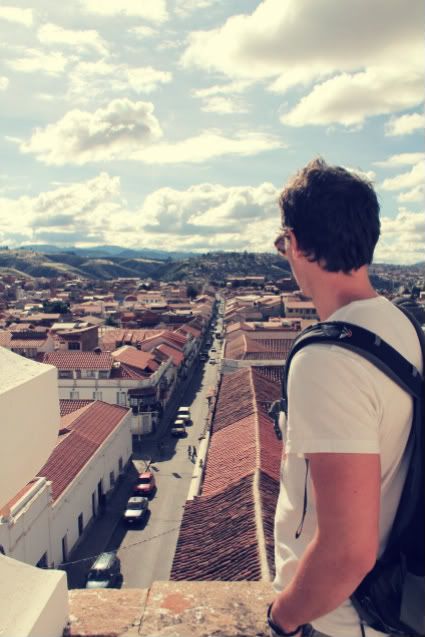
After completing the jeep tour we headed for Sucre, the judicial capital of Bolivia and a Unesco Cultural Heritage site. This was a welcome relief from the dusty and dirty streets of the small towns we had experienced in Bolivia so far!
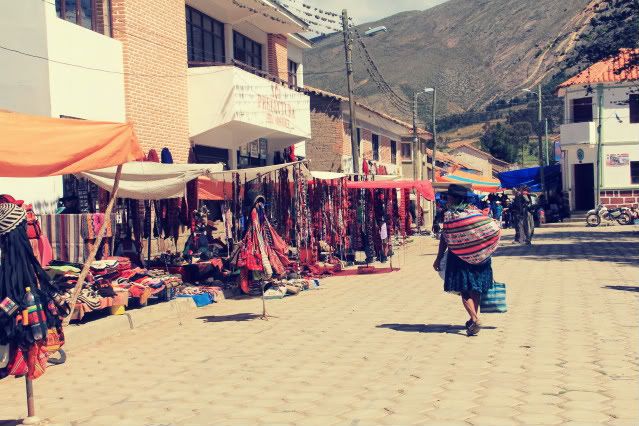
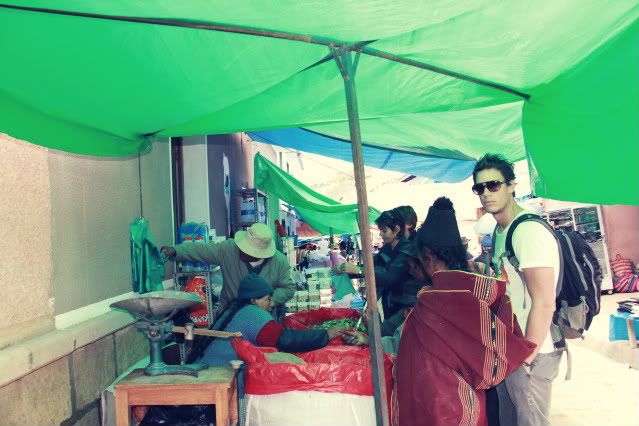
We enjoyed a few slower days here taking in the pretty plazas, churches and colonial buildings around the town. On our last day we visited the well known and colourful Sunday market in Tarabuco (about 2 hours away by bus) where everything from woven goods to Donkey´s heads to charangos (small ukelele-like instruments made from an Armadillo shell) were on offer!


- Posted using BlogPress from my iPad